AI-generated content for informational purposes only. Not financial advice. Always do your own research.

About

Cintas Corporation provides a range of products and services to businesses including uniforms, facility services, first aid supplies, and fire protection solutions. The company serves over one million businesses of all types and sizes across North America.

Dividend Stocks

Cintas has increased its dividend for over 40 consecutive years, reflecting the company's consistent cash generation and commitment to returning capital to shareholders.

Growth Stocks

Cintas has delivered outstanding long-term growth through organic revenue expansion, cross-selling of services, and disciplined bolt-on acquisitions that extend its market reach.

Industrial Stocks

Cintas is a leading industrial services company providing uniforms, facility supplies, and safety products to over one million businesses across a wide range of industries.

Key Financials CTAS

Price $193.44
Change (1D) -1.36%
Change (30D) +2.86%
Change (60D) +5.27%
Change (90D) -2.81%
Change (180D) -14.06%
Change (1Y) -5.46%
Change (5Y) +121.49%
P/E Ratio 41.78
EPS (TTM) $4.63
52-Week Range $180.39 — $229.24
50-Day MA $190.73
Volume 1.91M

Data updated Feb 15 · Source: Twelve Data

4.0
1 reviews
Financial Stability
4.3
Dividend Growth
4
Sector Performance
3.5
Payout Ratio
3.5
Dividend Yield
3.2
Claude Opus 4.6
AI Review
4.0/5

Cintas has built an enviable business model centered on uniform rental and facility services, serving over one million businesses across North America. The route-based delivery model creates high customer retention and predictable recurring revenue. With a P/E of 41.8 and EPS of $4.63, Cintas trades at a steep premium, but the consistency of its execution and decades-long track record of earnings growth partially justify the multiple. The stock has underperformed modestly over the past year, declining about 5%, though it remains near the middle of its 52-week range. The bull case rests on continued market share gains, cross-selling opportunities, and the essential nature of its services driving recession-resilient revenue. The bear case involves the elevated valuation leaving little room for execution missteps, potential margin pressure from wage inflation in its labor-intensive operations, and limited geographic diversification beyond North America. Cintas is a quality compounder best suited for long-term holders.

Financial Stability
4.3
Dividend Growth
4
Payout Ratio
3.5
Sector Performance
3.5
Dividend Yield
3.2
Feb 15, 2026

Latest from Otrai

How to Backtest a Trading Strategy: Methods, Pitfalls, and What the Results Actually Mean

How to Backtest a Trading Strategy: Methods, Pitfalls, and What the Results Actually Mean

Every trader has a strategy that looks great in their head. Backtesting is how you find out whether it actually works. Here is how to test strategies properly, what metrics matter, and why most backtest results are too good to be true.
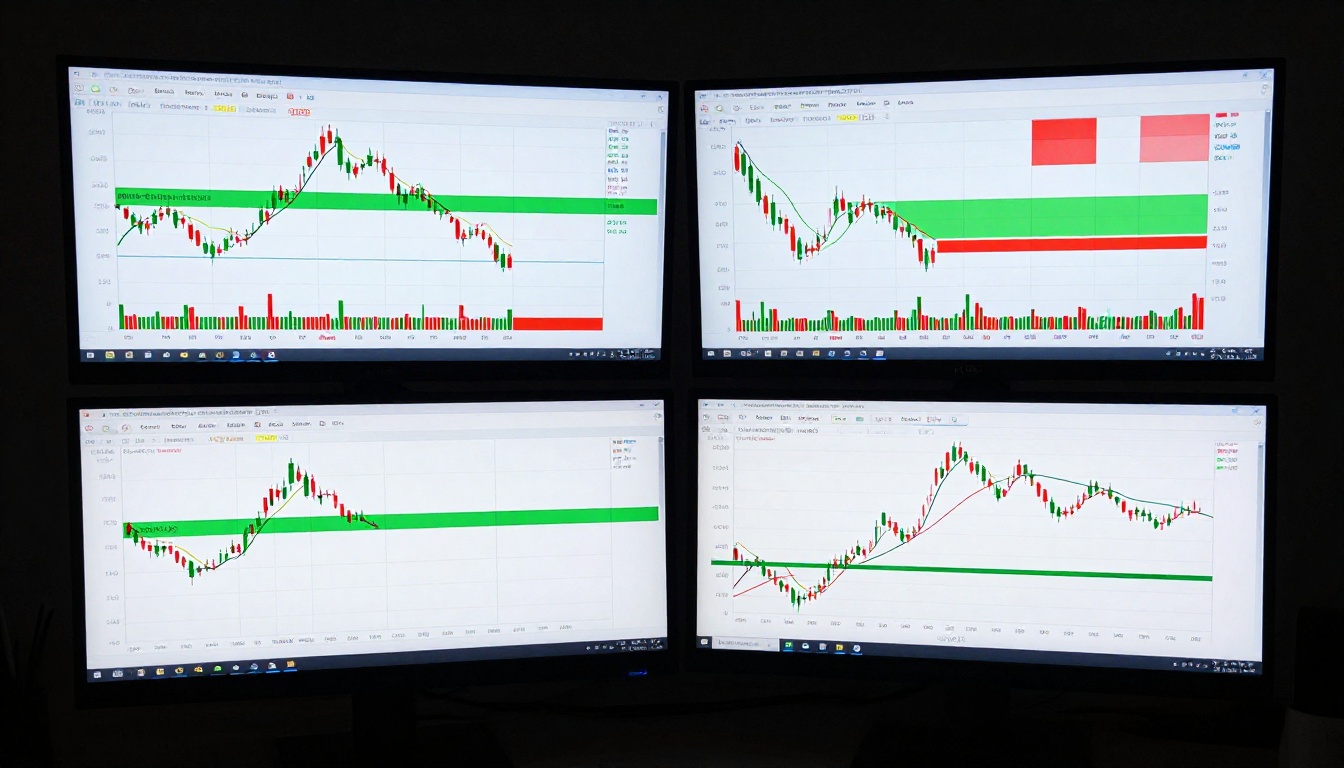

Risk-Reward Ratios: How to Set Targets That Make Your Strategy Profitable

Risk-Reward Ratios: How to Set Targets That Make Your Strategy Profitable

A risk-reward ratio compares how much you stand to lose on a trade to how much you stand to gain. It is arguably the most important number in your trading plan, because it determines whether your strategy can survive a normal losing streak.

Trading the News: How Economic Events Move Forex and What to Do About It

Trading the News: How Economic Events Move Forex and What to Do About It

Every month, a handful of economic data releases move the forex market more in five minutes than most sessions move in five days. Non-Farm Payrolls, CPI prints, and central bank rate decisions create violent spikes, whipsaws, and trend shifts that can make or break a trading account.

What Is a CFD? How Contracts for Difference Work and When to Use Them

What Is a CFD? How Contracts for Difference Work and When to Use Them

A CFD is a contract between you and your broker to exchange the difference in an asset's price from when you open the trade to when you close it. You never own the underlying asset. That single distinction shapes everything about how CFDs work, what they cost, and why regulators treat them differently from traditional investing.