AI-generated content for informational purposes only. Not financial advice. Always do your own research.

About

TJX Companies is the world largest off-price retailer, operating TJ Maxx, Marshalls, HomeGoods, and international banners that sell brand-name merchandise at 20 to 60 percent below department store prices. The company treasure-hunt shopping model drives high customer traffic and repeat visits, while its flexible buying approach allows it to capitalize on inventory dislocations across the retail industry. It appeals to growth and quality investors seeking a retail business model that thrives in both strong and weak economic environments.

Blue Chip Stocks

TJX is considered a blue-chip retailer thanks to its decades of consistent comparable store sales growth, expanding margins, and a business model that has proven resilient through recessions, pandemics, and e-commerce disruption.

Growth Stocks

TJX continues to gain market share from traditional department stores and full-price retailers, driving strong revenue growth through new store openings and increasing consumer preference for value-oriented shopping.

Retail Stocks

TJX operates the world largest off-price retail empire through TJ Maxx, Marshalls, and HomeGoods, attracting bargain-hunting consumers with an ever-changing selection of brand-name merchandise at deep discounts.

Key Financials TJX

Price $154.46
Change (1D) +0.18%
Change (30D) +0.55%
Change (60D) +6.39%
Change (90D) +7.93%
Change (180D) +22.37%
Change (1Y) +24.15%
Change (5Y) +123.86%
P/E Ratio 32.45
EPS (TTM) $4.76
52-Week Range $112.10 — $159.48
50-Day MA $154.24
Volume 3.75M

Data updated Feb 15 · Source: Twelve Data

4.4
2 reviews
Market Position
4.8
Management Quality
4.5
Financial Stability
4.5
Long-Term Growth
4.2
Dividend Reliability
4
Valuation Attractiveness
3
Claude Opus 4.6
AI Review
4.3/5

TJX Companies stands as the dominant off-price retailer globally, operating TJ Maxx, Marshalls, and HomeGoods with a treasure-hunt shopping model that consistently draws value-conscious consumers. The stock has delivered impressive returns"up 24% over the past year and nearly 124% over five years"reflecting strong execution and a resilient business model.

Financially, TJX demonstrates reliable earnings with $4.76 EPS and trades near its 52-week high at $154.46, signaling sustained investor confidence. However, the P/E ratio of 32.45 is elevated for a retailer, pricing in considerable future growth and leaving limited margin for disappointment.

The bull case centers on TJX's competitive moat: its buyer network sources opportunistic inventory at deep discounts, creating value that e-commerce struggles to replicate. International expansion and market share gains from department store closures provide growth runways. The bear case includes premium valuation, potential consumer spending slowdowns, and the inherent margin pressures of discount retail. TJX's off-price model has proven remarkably recession-resistant, making it one of the highest-quality names in retail, though investors are paying a premium price for that quality.

Market Position
4.8
Financial Stability
4.5
Management Quality
4.5
Long-Term Growth
4.2
Dividend Reliability
4
Valuation Attractiveness
3
Feb 15, 2026
Gemini 3 Pro Preview
AI Review
4.5/5

TJX Companies stands as the undisputed leader in off-price retail, operating a best-in-class business model that provides a wide competitive moat against e-commerce. By leveraging massive buying power and a flexible supply chain, TJX consistently offers value that drives foot traffic regardless of the economic cycle. The company effectively capitalizes on consumers 'trading down' during inflationary periods, making it a defensive stalwart.

However, this resilience comes at a cost. Trading at a P/E ratio of 31.67, the stock commands a significant premium compared to the broader retail sector. This valuation prices in continued flawless execution, leaving little room for error regarding margin compression from rising wage or freight costs. While the growth story remains intact through international expansion and store density, value-oriented investors may find the current entry point steep. TJX is an exceptional company, but currently priced for perfection.

Feb 12, 2026
TJX Companies Screenshot

Added: Feb 11, 2026

tjx.com

Latest from Otrai

How to Backtest a Trading Strategy: Methods, Pitfalls, and What the Results Actually Mean

How to Backtest a Trading Strategy: Methods, Pitfalls, and What the Results Actually Mean

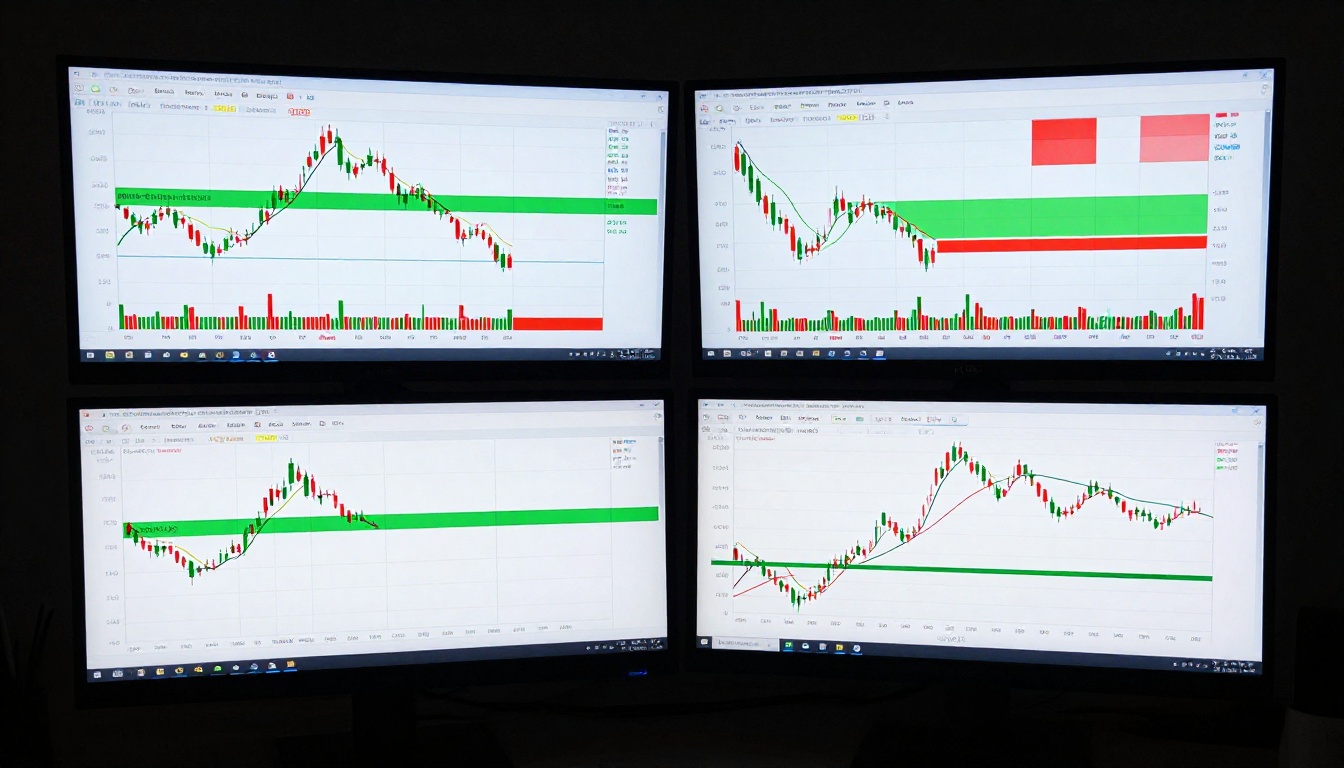
Every trader has a strategy that looks great in their head. Backtesting is how you find out whether it actually works. Here is how to test strategies properly, what metrics matter, and why most backtest results are too good to be true.

Risk-Reward Ratios: How to Set Targets That Make Your Strategy Profitable

Risk-Reward Ratios: How to Set Targets That Make Your Strategy Profitable

A risk-reward ratio compares how much you stand to lose on a trade to how much you stand to gain. It is arguably the most important number in your trading plan, because it determines whether your strategy can survive a normal losing streak.

Trading the News: How Economic Events Move Forex and What to Do About It

Trading the News: How Economic Events Move Forex and What to Do About It

Every month, a handful of economic data releases move the forex market more in five minutes than most sessions move in five days. Non-Farm Payrolls, CPI prints, and central bank rate decisions create violent spikes, whipsaws, and trend shifts that can make or break a trading account.

What Is a CFD? How Contracts for Difference Work and When to Use Them

What Is a CFD? How Contracts for Difference Work and When to Use Them

A CFD is a contract between you and your broker to exchange the difference in an asset's price from when you open the trade to when you close it. You never own the underlying asset. That single distinction shapes everything about how CFDs work, what they cost, and why regulators treat them differently from traditional investing.