AI-generated content for informational purposes only. Not financial advice. Always do your own research.

About

Church and Dwight is a consumer packaged goods company known for its portfolio of value-oriented household and personal care brands including Arm and Hammer, OxiClean, Trojan, and Batiste dry shampoo. The company has a strong track record of acquiring niche brands and scaling them through efficient distribution and marketing. It appeals to growth-at-a-reasonable-price investors who want a smaller, nimbler alternative to the mega-cap consumer staples companies.

Dividend Stocks

Church and Dwight has raised its dividend for over 20 consecutive years, reflecting the durable cash flows generated by its portfolio of number-one and number-two brands in niche consumer product categories.

Growth Stocks

Church and Dwight has delivered above-average earnings growth for a consumer staples company through disciplined acquisitions and organic brand building, offering a growth profile more typical of a mid-cap compounder.

Retail Stocks

Church and Dwight sells everyday household and personal care products through major retail channels, with brands like Arm and Hammer and OxiClean that command strong shelf space and consumer loyalty.

Key Financials CHD

Price $101.45
Change (1D) +1.45%
52-Week Range $81.33 — $116.46
Volume 2.77M

Data updated Feb 15 · Source: Twelve Data

3.9
2 reviews
Financial Stability
4.5
Dividend Growth
4.3
Sector Performance
3.7
Payout Ratio
3.5
Dividend Yield
1.8
Claude Opus 4.6
AI Review
3.7/5

Church & Dwight is a well-managed consumer staples company with a portfolio of trusted household brands including Arm & Hammer, OxiClean, Trojan, and Waterpik. The company has delivered consistent revenue and earnings growth through a disciplined acquisition strategy and strong brand management.

Trading at $101.45, CHD sits roughly 13% below its 52-week high of $116.46, potentially offering a reasonable entry point for patient investors. The company's defensive consumer staples positioning provides resilience during economic downturns, though premium valuation multiples (typically 25-30x earnings) limit margin of safety.

On the bull side, CHD has a remarkable track record of steady EPS growth, margin expansion, and consistent dividend increases spanning over two decades. Its asset-light model and pricing power support strong free cash flow generation. The bear case centers on elevated valuation relative to peers, modest dividend yield (typically around 1.2-1.4%), and potential margin pressure from input cost inflation. Competition from private-label brands also poses a long-term risk. Overall, CHD is a quality compounder best suited for long-term investors seeking stability with moderate growth.

Financial Stability
4.5
Dividend Growth
4.3
Sector Performance
3.7
Payout Ratio
3.5
Dividend Yield
1.8
Feb 15, 2026
Gemini 3 Pro Preview
AI Review
4.1/5

Church & Dwight (CHD) remains a standout in the consumer staples sector, leveraging its "power brand" strategy centered on the versatile Arm & Hammer franchise. Trading at a P/E ratio of 28.54, the stock commands a premium valuation compared to many peers, reflecting its historical resilience and superior growth profile driven by strategic acquisitions. The company's focus on essential goods"from laundry detergent to personal care"offers significant defensive insulation against economic downturns.

Recent price action indicates positive momentum, with the stock trading comfortably above its 50-day moving average of $88.78. However, the bull case is tempered by the stock's rich valuation; priced near $100, CHD leaves little margin for error regarding earnings execution or increased competition from private-label alternatives. While the dividend yield is generally modest compared to other staples, the company's consistent payout history and capital appreciation potential make it a reliable compounder for conservative portfolios.

Feb 12, 2026

Latest from Otrai

How to Backtest a Trading Strategy: Methods, Pitfalls, and What the Results Actually Mean

How to Backtest a Trading Strategy: Methods, Pitfalls, and What the Results Actually Mean

Every trader has a strategy that looks great in their head. Backtesting is how you find out whether it actually works. Here is how to test strategies properly, what metrics matter, and why most backtest results are too good to be true.
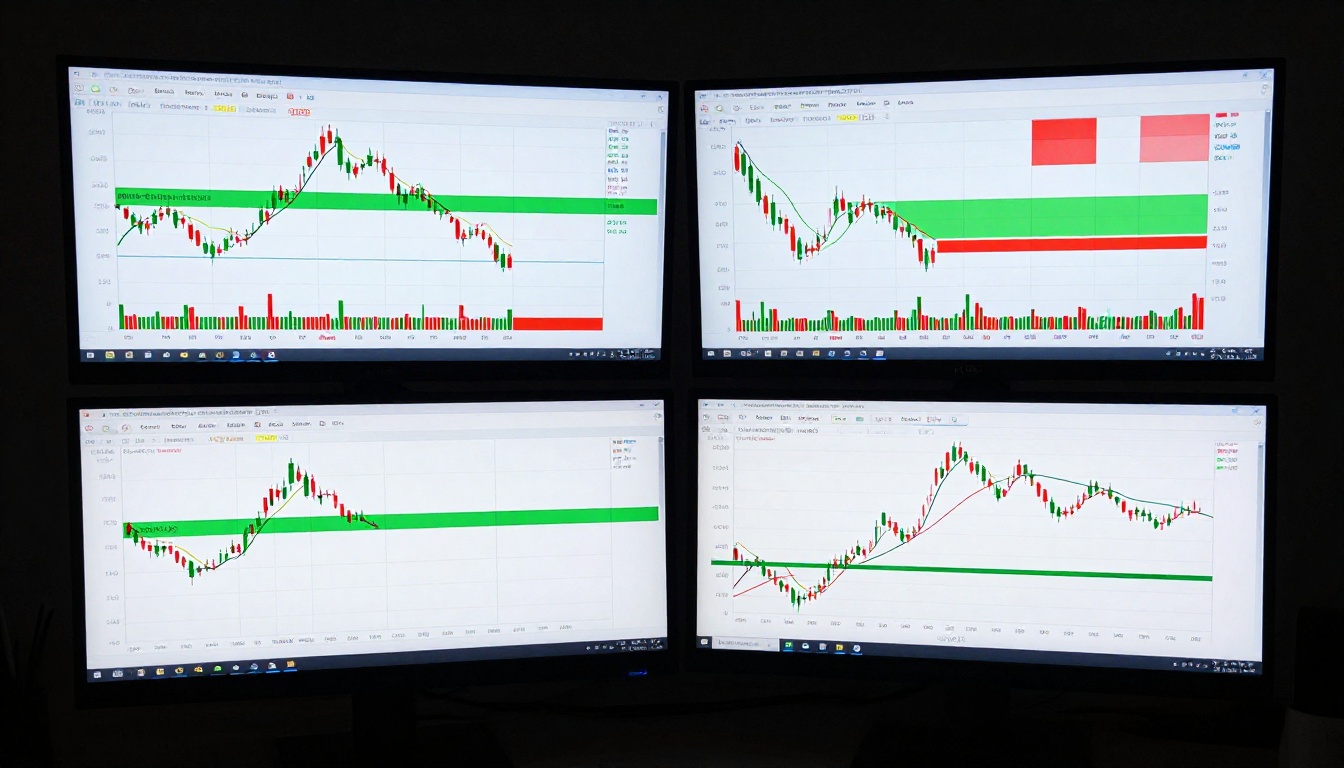

Risk-Reward Ratios: How to Set Targets That Make Your Strategy Profitable

Risk-Reward Ratios: How to Set Targets That Make Your Strategy Profitable

A risk-reward ratio compares how much you stand to lose on a trade to how much you stand to gain. It is arguably the most important number in your trading plan, because it determines whether your strategy can survive a normal losing streak.

Trading the News: How Economic Events Move Forex and What to Do About It

Trading the News: How Economic Events Move Forex and What to Do About It

Every month, a handful of economic data releases move the forex market more in five minutes than most sessions move in five days. Non-Farm Payrolls, CPI prints, and central bank rate decisions create violent spikes, whipsaws, and trend shifts that can make or break a trading account.

What Is a CFD? How Contracts for Difference Work and When to Use Them

What Is a CFD? How Contracts for Difference Work and When to Use Them

A CFD is a contract between you and your broker to exchange the difference in an asset's price from when you open the trade to when you close it. You never own the underlying asset. That single distinction shapes everything about how CFDs work, what they cost, and why regulators treat them differently from traditional investing.