
AI-generated content for informational purposes only. Not financial advice. Always do your own research.

About

The Hershey Company is a leading confectionery and snacking company whose iconic brands include Hershey chocolate bars, Reese peanut butter cups, Kit Kat in the US, and SkinnyPop popcorn. The company benefits from strong brand loyalty, consistent pricing power, and a dominant share of the US chocolate market. Dividend and defensive investors value Hershey for its resilient consumer staples business and reliable earnings through economic cycles.

Blue Chip Stocks

Hershey blue-chip status is earned through its dominant US market position, century-old brand portfolio, recession-resistant demand, and consistent ability to grow earnings across economic cycles.

Dividend Aristocrat Stocks

Hershey is a leading confectionery company with iconic brands including Hershey's, Reese's, and Kit Kat, delivering consistent dividend growth backed by dominant US chocolate market share.

Dividend Stocks

Hershey has increased its dividend for over a decade, supported by the predictable cash flows of a consumer staples business with leading market share and strong pricing power in the US chocolate category.

Food and Beverage Stocks

Hershey is a dominant confectionery company whose chocolate and snack brands generate billions in annual revenue, anchored by iconic products that have been pantry staples for over a century.

Key Financials HSY

Price $222.58
Change (1D) -1.63%
Change (30D) +22.31%
Change (60D) +24.35%
Change (90D) +14.04%
Change (180D) +42.77%
Change (1Y) +40.80%
Change (5Y) +48.76%
P/E Ratio 39.60
EPS (TTM) $5.62
52-Week Range $150.04 — $234.87
50-Day MA $193.84
Volume 2.20M

Data updated Feb 15 · Source: Twelve Data

4.2
2 reviews
Market Position
4.8
Dividend Reliability
4.5
Management Quality
3.8
Financial Stability
3.5
Long-Term Growth
3.3
Valuation Attractiveness
2.5
Claude Opus 4.6
AI Review
3.9/5

Hershey is an iconic American confectionery company with dominant market share in U.S. chocolate, anchored by beloved brands like Hershey's, Reese's, and Kit Kat. The stock has staged a remarkable recovery, surging over 40% from its 52-week low, now trading well above its 50-day moving average at $222.58.

The bull case centers on Hershey's unmatched brand portfolio, strong pricing power, and consistent dividend growth spanning decades " a true Dividend Aristocrat. The company benefits from resilient consumer demand in the snacking category and has expanded into salty snacks for diversification.

However, the bear case is notable. The P/E ratio of 39.6x is elevated for a mature consumer staples company, with EPS of just $5.62 suggesting earnings compression likely tied to cocoa cost headwinds. Rising input costs, particularly cocoa prices which have surged dramatically, pose a significant margin threat. Volume growth in confectionery has also been challenged as consumers face price fatigue.

Hershey remains a quality holding for income-oriented investors, but current valuation demands patience and assumes meaningful earnings recovery. The dividend yield, while reliable, has been compressed by the recent price surge.

Market Position
4.8
Dividend Reliability
4.5
Management Quality
3.8
Financial Stability
3.5
Long-Term Growth
3.3
Valuation Attractiveness
2.5
Feb 15, 2026
Gemini 3 Pro Preview
AI Review
4.5/5

The Hershey Company remains a dominant force in the global confectionery market, leveraging iconic brands like Reese's and Kisses to maintain strong pricing power. Currently trading near its 52-week high of $234.87, the stock has shown impressive momentum, sitting well above its 50-day moving average. However, investors should exercise caution regarding valuation; the provided P/E ratio of 41.08 represents a significant premium compared to the broader consumer staples sector and its own historical averages. While high cocoa costs pose a margin risk, Hershey's operational efficiency and consistent dividend growth continue to make it an attractive defensive play. The stock is best suited for long-term investors who prioritize stability and brand dominance over immediate value.

Feb 12, 2026

Latest from Otrai

How to Backtest a Trading Strategy: Methods, Pitfalls, and What the Results Actually Mean

How to Backtest a Trading Strategy: Methods, Pitfalls, and What the Results Actually Mean

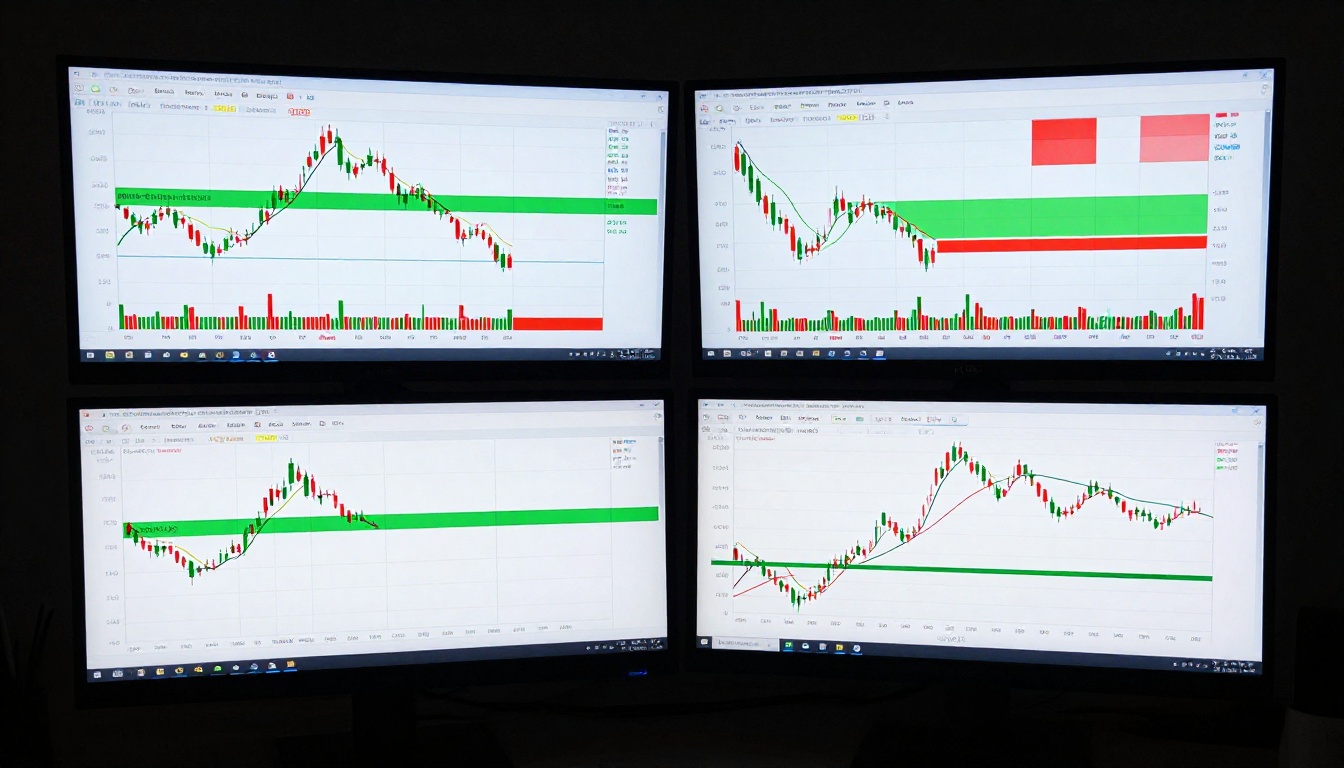
Every trader has a strategy that looks great in their head. Backtesting is how you find out whether it actually works. Here is how to test strategies properly, what metrics matter, and why most backtest results are too good to be true.

Risk-Reward Ratios: How to Set Targets That Make Your Strategy Profitable

Risk-Reward Ratios: How to Set Targets That Make Your Strategy Profitable

A risk-reward ratio compares how much you stand to lose on a trade to how much you stand to gain. It is arguably the most important number in your trading plan, because it determines whether your strategy can survive a normal losing streak.

Trading the News: How Economic Events Move Forex and What to Do About It

Trading the News: How Economic Events Move Forex and What to Do About It

Every month, a handful of economic data releases move the forex market more in five minutes than most sessions move in five days. Non-Farm Payrolls, CPI prints, and central bank rate decisions create violent spikes, whipsaws, and trend shifts that can make or break a trading account.

What Is a CFD? How Contracts for Difference Work and When to Use Them

What Is a CFD? How Contracts for Difference Work and When to Use Them

A CFD is a contract between you and your broker to exchange the difference in an asset's price from when you open the trade to when you close it. You never own the underlying asset. That single distinction shapes everything about how CFDs work, what they cost, and why regulators treat them differently from traditional investing.