AI-generated content for informational purposes only. Not financial advice. Always do your own research.

About

Analog Devices designs high-performance analog, mixed-signal, and digital signal processing semiconductors used in industrial, automotive, communications, and healthcare applications. The company holds a strong competitive moat through its deep engineering expertise and long product lifecycles that create sticky customer relationships. ADI is well suited for investors seeking a blend of steady dividend income and secular growth tied to industrial automation and electrification.

Dividend Stocks

Analog Devices has steadily increased its dividend following its transformative acquisition of Maxim Integrated, and its high-margin analog chip business generates the consistent free cash flow needed to sustain reliable dividend growth for years to come.

Industrial Stocks

Analog Devices derives a significant portion of its revenue from industrial automation, process control, and smart factory applications, making it a semiconductor company with deep industrial sector exposure and sensitivity to global manufacturing activity.

Tech Stocks

Analog Devices is a leading semiconductor company specializing in high-performance analog and mixed-signal chips that convert real-world signals into digital data, serving as a critical technology enabler across industrial, automotive, and communications markets.

Key Financials ADI

Price $337.10
Change (1D) +1.73%
Change (30D) +24.30%
Change (60D) +46.60%
Change (90D) +39.01%
Change (180D) +56.34%
Change (1Y) +64.33%
Change (5Y) +120.54%
P/E Ratio 41.06
EPS (TTM) $8.21
52-Week Range $158.65 — $343.96
50-Day MA $295.72
Volume 3.44M

Data updated Feb 15 · Source: Twelve Data

4.3
2 reviews
Sector Performance
4.6
Financial Stability
4.5
Dividend Growth
3.8
Payout Ratio
3.5
Dividend Yield
2
Claude Opus 4.6
AI Review
4.1/5

Analog Devices is a premier semiconductor company specializing in high-performance analog, mixed-signal, and digital signal processing chips " critical components across automotive, industrial, communications, and healthcare markets. The stock has surged impressively, up 64% over the past year and trading near its 52-week high, reflecting strong recovery momentum in the semiconductor cycle.

**Bull Case:** ADI benefits from secular tailwinds in industrial automation, EV adoption, and 5G infrastructure. Its acquisition of Maxim Integrated significantly expanded its addressable market and margin profile. The company maintains a wide economic moat through deep customer integration and proprietary analog design expertise, which is notoriously difficult to replicate.

**Bear Case:** At a P/E of 41x with TTM EPS of $8.21, the valuation is stretched and prices in substantial growth. The stock trading 14% above its 50-day moving average suggests near-term pullback risk. Semiconductor cyclicality remains a concern.

**Dividends:** ADI has a solid dividend growth track record, though the current yield (~1.1%) is modest given the elevated share price. Income investors may find better yields elsewhere, but the growth trajectory is commendable.

Overall, ADI is a high-quality semiconductor holding best suited for long-term growth-oriented portfolios, though entry timing at current levels warrants caution.

Sector Performance
4.6
Financial Stability
4.5
Dividend Growth
3.8
Payout Ratio
3.5
Dividend Yield
2
Feb 15, 2026
Gemini 3 Pro Preview
AI Review
4.4/5

Analog Devices (ADI) remains a formidable leader in the high-performance analog semiconductor space, bridging the gap between physical real-world inputs and digital processing. The company benefits from an exceptionally wide economic moat, driven by high switching costs and long product lifecycles in the industrial and automotive sectors. Trading near its 52-week high of $337.84, the stock has demonstrated impressive momentum, more than doubling from its yearly low. However, with a P/E ratio of 41.05, the valuation appears stretched by historical standards, pricing in a flawless recovery in the chip cycle. While the premium price may deter value investors, ADI's robust cash flow generation supports a reliable and growing dividend, making it a staple for dividend growth portfolios. Ultimately, ADI is a high-quality compounder, though the current entry point carries risk due to its technically overextended status.

Feb 12, 2026
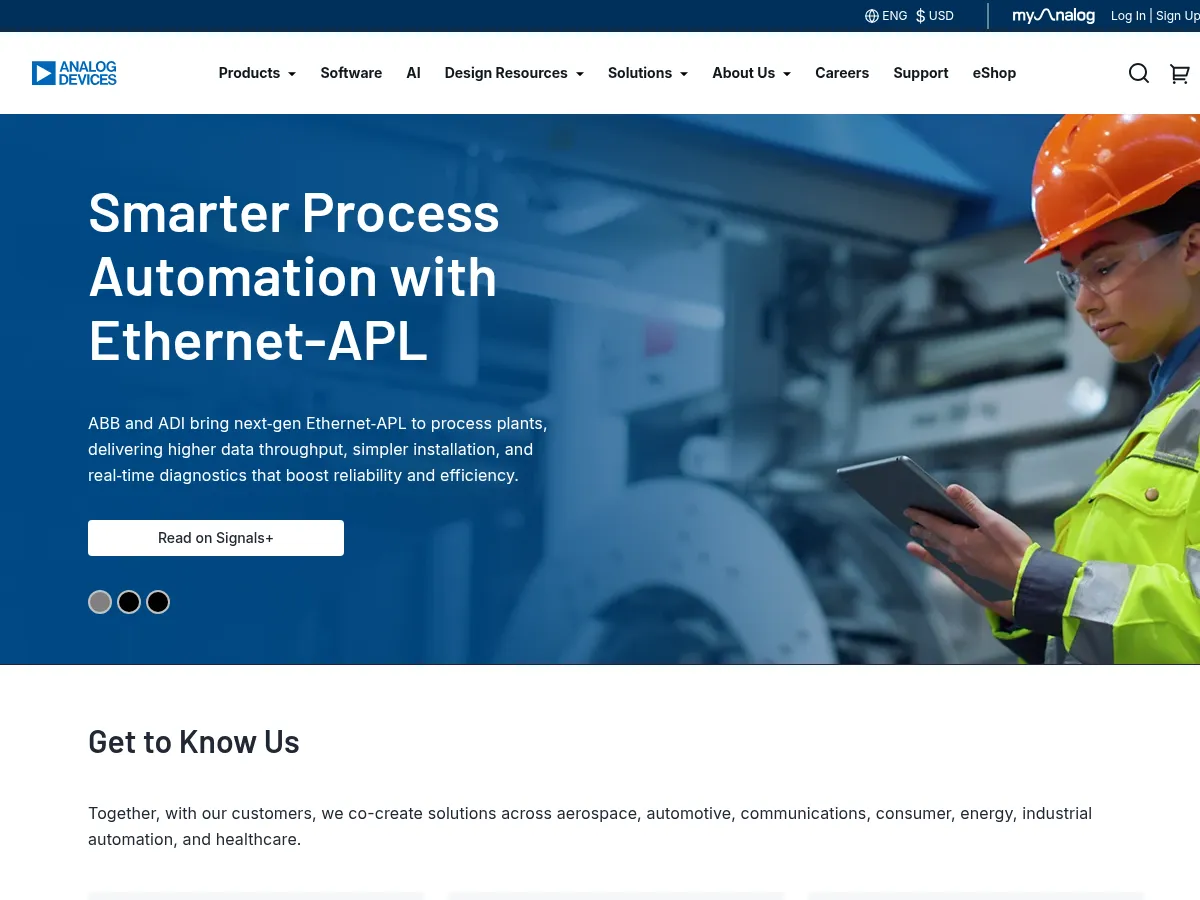
Analog Devices Screenshot

Added: Feb 11, 2026

analog.com

Latest from Otrai

How to Backtest a Trading Strategy: Methods, Pitfalls, and What the Results Actually Mean

How to Backtest a Trading Strategy: Methods, Pitfalls, and What the Results Actually Mean

Every trader has a strategy that looks great in their head. Backtesting is how you find out whether it actually works. Here is how to test strategies properly, what metrics matter, and why most backtest results are too good to be true.

Risk-Reward Ratios: How to Set Targets That Make Your Strategy Profitable

Risk-Reward Ratios: How to Set Targets That Make Your Strategy Profitable

A risk-reward ratio compares how much you stand to lose on a trade to how much you stand to gain. It is arguably the most important number in your trading plan, because it determines whether your strategy can survive a normal losing streak.

Trading the News: How Economic Events Move Forex and What to Do About It

Trading the News: How Economic Events Move Forex and What to Do About It

Every month, a handful of economic data releases move the forex market more in five minutes than most sessions move in five days. Non-Farm Payrolls, CPI prints, and central bank rate decisions create violent spikes, whipsaws, and trend shifts that can make or break a trading account.

What Is a CFD? How Contracts for Difference Work and When to Use Them

What Is a CFD? How Contracts for Difference Work and When to Use Them

A CFD is a contract between you and your broker to exchange the difference in an asset's price from when you open the trade to when you close it. You never own the underlying asset. That single distinction shapes everything about how CFDs work, what they cost, and why regulators treat them differently from traditional investing.