AI-generated content for informational purposes only. Not financial advice. Always do your own research.

About

Union Pacific Corporation (UNP) operates the largest publicly traded railroad network in North America, covering 23 states in the western two-thirds of the United States with approximately 32,000 route miles. As a critical transportation link for intermodal freight, agricultural products, industrial goods, and energy commodities, UP benefits from its natural monopoly characteristics and high barriers to entry. UNP is a blue-chip Dividend Aristocrat with a strong history of earnings growth, margin improvement, and shareholder returns through buybacks and dividends.

Blue Chip Stocks

Union Pacific is a blue-chip industrial bellwether with natural monopoly characteristics, high barriers to entry, and essential infrastructure that underpins the U.S. economy, making it a core holding for long-term investors.

Dividend Aristocrat Stocks

Union Pacific delivers reliable dividend growth backed by its position as the largest North American railroad, benefiting from essential freight demand and operating leverage improvements.

Dividend Stocks

Union Pacific is a Dividend Aristocrat with a decades-long track record of annual dividend increases, generating substantial free cash flow from its capital-efficient railroad operations and returning the majority of earnings to shareholders through dividends and buybacks.

Industrial Stocks

Union Pacific operates the largest railroad network in the western United States with approximately 32,000 route miles, transporting a diversified mix of freight including intermodal containers, agricultural products, industrial chemicals, and energy commodities.

Infrastructure Stocks

Union Pacific's 23-state railroad network is critical US infrastructure, transporting goods across the western half of the country with cost and environmental advantages over trucking.

Transportation & Logistics Stocks

Union Pacific operates the largest railroad network in North America covering 23 states, serving as essential freight transportation infrastructure for the western US economy.

Key Financials UNP

Price $260.68
Change (1D) -0.42%
Change (30D) +12.69%
Change (60D) +17.95%
Change (90D) +9.80%
Change (180D) +17.33%
Change (1Y) +4.90%
Change (5Y) +27.38%
P/E Ratio 25.09
EPS (TTM) $10.39
52-Week Range $204.66 — $265.37
50-Day MA $236.68
Volume 3.98M

Data updated Feb 15 · Source: Twelve Data

4.6
2 reviews
Market Position
5
Dividend Reliability
4.5
Management Quality
4
Financial Stability
4
Long-Term Growth
3.5
Valuation Attractiveness
3
Claude Opus 4.6
AI Review
4.5/5

Union Pacific is the largest publicly traded railroad in North America, operating over 32,000 miles of track across 23 western states. The company represents a near-irreplaceable infrastructure asset with formidable barriers to entry " no new Class I railroads are being built.

Financially, UNP trades at a P/E of 25.09 with EPS of $10.39, reflecting premium valuation for a mature industrial franchise. The stock is trading near its 52-week high of $265.37, with strong recent momentum (+17.95% over 60 days), though 5-year returns of 27.38% suggest more modest long-term appreciation. The company has consistently raised dividends for over 15 years, supporting its Dividend Aristocrat status, though its yield (~2%) is moderate rather than high-income.

Bull case: Dominant duopoly position in western U.S. freight, pricing power, operational efficiency improvements under PSR (Precision Scheduled Railroading), and secular tailwinds from supply chain reshoring. Bear case: Cyclical exposure to industrial production, regulatory risk, labor relations challenges, and current valuation leaves limited margin of safety. Volume sensitivity to economic slowdowns remains a key risk. A core holding for long-term infrastructure-oriented portfolios.

Market Position
5
Dividend Reliability
4.5
Financial Stability
4
Management Quality
4
Long-Term Growth
3.5
Valuation Attractiveness
3
Feb 15, 2026
Gemini 3 Pro Preview
AI Review
4.6/5

Union Pacific remains a cornerstone of the American industrial landscape, benefiting from a near-duopoly in the western United States. Its extensive rail network provides a wide economic moat and substantial pricing power, allowing for consistent profitability even during economic fluctuations. Currently trading near its 52-week high of $263.92, the stock demonstrates strong momentum, sitting well above its 50-day moving average. However, with a P/E ratio of 25.29, UNP commands a premium valuation compared to its historical averages, reflecting high investor expectations for operational efficiency. While the company excels as a reliable blue-chip holding with a strong commitment to shareholder returns, the elevated multiple suggests limited short-term upside if freight volumes stagnate. Investors should view UNP as a high-quality, long-term compounder, though value-focused entrants may wish to wait for a pullback.

Feb 12, 2026

Latest from Otrai

How to Backtest a Trading Strategy: Methods, Pitfalls, and What the Results Actually Mean

How to Backtest a Trading Strategy: Methods, Pitfalls, and What the Results Actually Mean

Every trader has a strategy that looks great in their head. Backtesting is how you find out whether it actually works. Here is how to test strategies properly, what metrics matter, and why most backtest results are too good to be true.
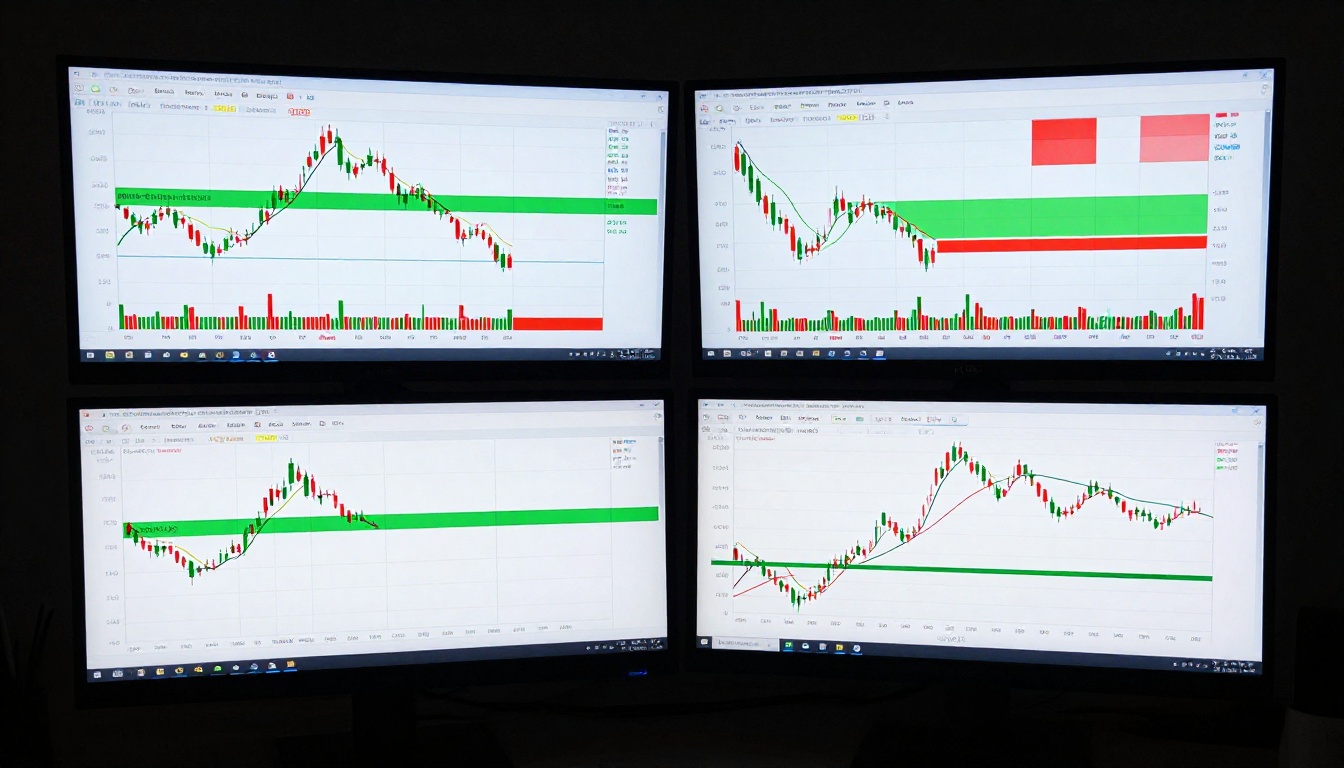

Risk-Reward Ratios: How to Set Targets That Make Your Strategy Profitable

Risk-Reward Ratios: How to Set Targets That Make Your Strategy Profitable

A risk-reward ratio compares how much you stand to lose on a trade to how much you stand to gain. It is arguably the most important number in your trading plan, because it determines whether your strategy can survive a normal losing streak.

Trading the News: How Economic Events Move Forex and What to Do About It

Trading the News: How Economic Events Move Forex and What to Do About It

Every month, a handful of economic data releases move the forex market more in five minutes than most sessions move in five days. Non-Farm Payrolls, CPI prints, and central bank rate decisions create violent spikes, whipsaws, and trend shifts that can make or break a trading account.

What Is a CFD? How Contracts for Difference Work and When to Use Them

What Is a CFD? How Contracts for Difference Work and When to Use Them

A CFD is a contract between you and your broker to exchange the difference in an asset's price from when you open the trade to when you close it. You never own the underlying asset. That single distinction shapes everything about how CFDs work, what they cost, and why regulators treat them differently from traditional investing.