AI-generated content for informational purposes only. Not financial advice. Always do your own research.

About

Bristol-Myers Squibb Company (BMY) is a global biopharmaceutical leader with a strong portfolio of drugs in oncology, immunology, cardiovascular, and fibrosis, including blockbusters like Eliquis, Opdivo, and Revlimid. The company is actively building its next-generation pipeline through strategic acquisitions and internal R&D to offset upcoming patent expirations. BMY offers an attractive dividend yield and trades at a modest valuation relative to big pharma peers, making it appealing for income-focused investors.

Dividend Aristocrat Stocks

Bristol-Myers Squibb is a biopharmaceutical leader in oncology and immunology with a strong dividend growth track record, navigating patent cliffs with a robust acquisition-driven pipeline strategy.

Dividend Stocks

Bristol-Myers Squibb offers an attractive and above-average dividend yield for the pharmaceutical sector, supported by strong free cash flow generation from its established drug portfolio and a commitment to returning capital to shareholders.

Pharmaceutical Stocks

Bristol-Myers Squibb is a top-tier global pharmaceutical company with a diverse portfolio of blockbuster drugs spanning oncology, cardiovascular, immunology, and fibrosis, generating tens of billions in annual revenue.

Key Financials BMY

Price $60.74
Change (1D) +1.47%
Change (30D) +12.61%
Change (60D) +29.76%
Change (90D) +34.56%
Change (180D) +29.32%
Change (1Y) +8.17%
Change (5Y) +1.64%
P/E Ratio 28.65
EPS (TTM) $2.12
52-Week Range $42.52 — $63.33
50-Day MA $55.16
Volume 10.82M

Data updated Feb 15 · Source: Twelve Data

4.1
2 reviews
Dividend Growth Streak
4.5
Dividend Yield
4.2
Sector Resilience
3.5
Total Return Potential
3.3
Payout Ratio Safety
3.2
Financial Stability
3
Claude Opus 4.6
AI Review
3.8/5

Bristol-Myers Squibb has shown impressive recent momentum, surging nearly 35% over the past 90 days and trading near its 52-week high of $63.33. However, the 5-year return of just 1.64% highlights the longer-term challenges this large-cap pharma has faced, including patent cliffs on key drugs like Revlimid and Eliquis.

The P/E ratio of 28.65 appears elevated for a mature pharmaceutical company, though this may reflect depressed earnings from recent acquisitions and restructuring costs. BMY's dividend remains a cornerstone of the investment thesis, with a yield around 4% and a strong track record of consecutive increases befitting its Dividend Aristocrat status.

Bull case: Growing oncology and immunology pipeline (including Opdivo and recent acquisitions like Karuna Therapeutics), attractive dividend yield, and potential earnings recovery. Bear case: Significant revenue headwinds from patent expirations through 2026, heavy debt from acquisitions, and execution risk integrating new assets. BMY suits income-oriented investors willing to accept near-term uncertainty for a solid dividend and pipeline optionality.

Dividend Growth Streak
4.5
Dividend Yield
4.2
Sector Resilience
3.5
Total Return Potential
3.3
Payout Ratio Safety
3.2
Financial Stability
3
Feb 15, 2026
Gemini 3 Pro Preview
AI Review
4.4/5

Bristol-Myers Squibb presents a compelling value proposition within the pharmaceutical sector. Trading at a P/E ratio of roughly 11.9, the stock is priced conservatively, reflecting investor caution regarding the significant "patent cliff" facing legacy blockbusters like Revlimid and Eliquis. However, BMY is successfully executing a strategic pivot toward its new growth portfolio, including promising assets like Reblozyl and Camzyos. The stock's recent recovery from 52-week lows indicates warming market sentiment toward this turnaround story. For income-focused investors, BMY remains a standout choice due to its robust cash flow and reliable dividend history. While execution risks persist regarding pipeline delivery and debt management following recent acquisitions, the current valuation provides a reasonable margin of safety. BMY is well-suited for conservative investors seeking consistent yield and long-term capital appreciation.

Feb 12, 2026

Latest from Otrai

How to Backtest a Trading Strategy: Methods, Pitfalls, and What the Results Actually Mean

How to Backtest a Trading Strategy: Methods, Pitfalls, and What the Results Actually Mean

Every trader has a strategy that looks great in their head. Backtesting is how you find out whether it actually works. Here is how to test strategies properly, what metrics matter, and why most backtest results are too good to be true.
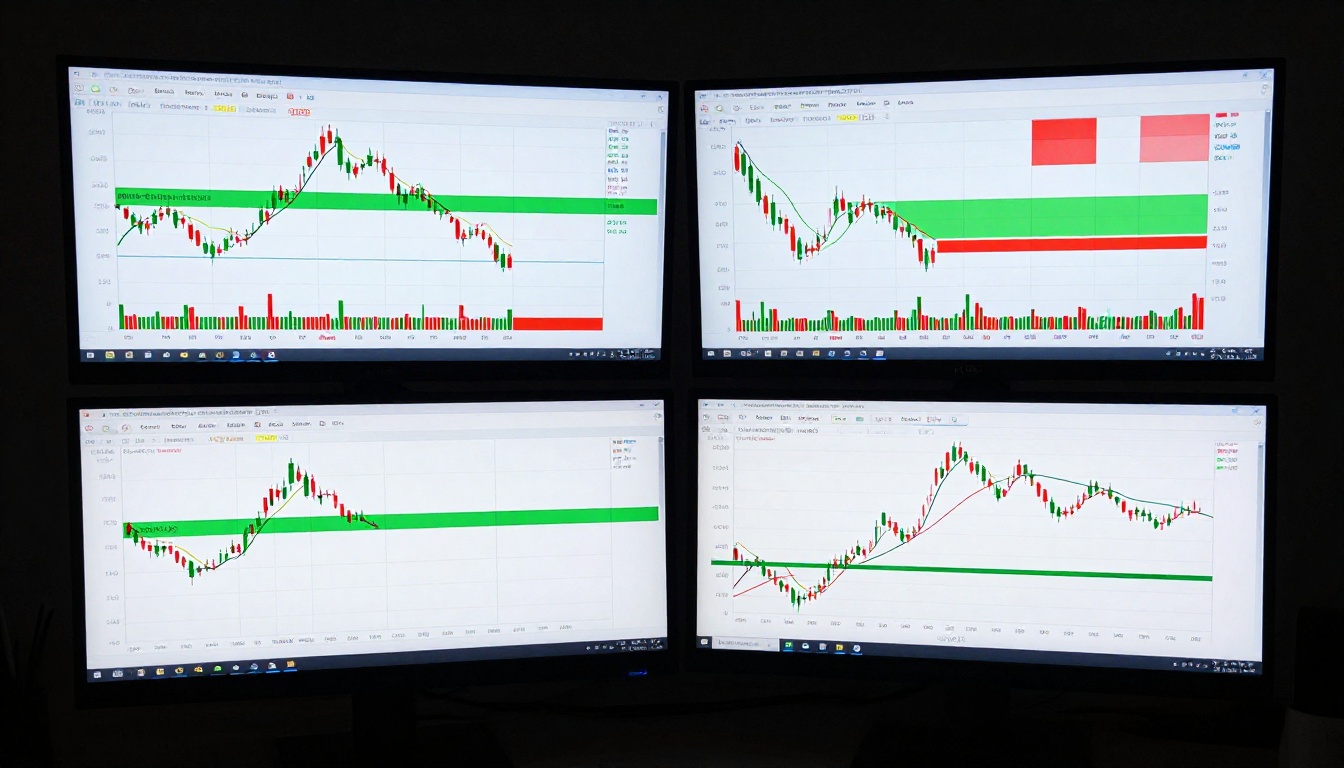

Risk-Reward Ratios: How to Set Targets That Make Your Strategy Profitable

Risk-Reward Ratios: How to Set Targets That Make Your Strategy Profitable

A risk-reward ratio compares how much you stand to lose on a trade to how much you stand to gain. It is arguably the most important number in your trading plan, because it determines whether your strategy can survive a normal losing streak.

Trading the News: How Economic Events Move Forex and What to Do About It

Trading the News: How Economic Events Move Forex and What to Do About It

Every month, a handful of economic data releases move the forex market more in five minutes than most sessions move in five days. Non-Farm Payrolls, CPI prints, and central bank rate decisions create violent spikes, whipsaws, and trend shifts that can make or break a trading account.

What Is a CFD? How Contracts for Difference Work and When to Use Them

What Is a CFD? How Contracts for Difference Work and When to Use Them

A CFD is a contract between you and your broker to exchange the difference in an asset's price from when you open the trade to when you close it. You never own the underlying asset. That single distinction shapes everything about how CFDs work, what they cost, and why regulators treat them differently from traditional investing.