AI-generated content for informational purposes only. Not financial advice. Always do your own research.

About

Starbucks (SBUX) is the world's premier coffeehouse brand, operating and licensing over 38,000 stores across 80 markets worldwide. The company generates revenue through its retail stores, at-home coffee products, and a hugely successful loyalty program with tens of millions of active members. Starbucks is a blue-chip consumer franchise offering investors steady same-store sales growth, expanding international presence, and consistent capital returns.

Blue Chip Stocks

Starbucks is a blue-chip stock with a wide global moat, strong unit economics, and a track record of consistent dividend increases and share repurchases that reward long-term shareholders.

Food and Beverage Stocks

Starbucks is the world's leading food and beverage stock in the coffeehouse category, with a globally recognized brand, a massive loyalty program, and a proven ability to drive same-store sales growth through menu innovation and premium pricing.

Key Financials SBUX

Price $93.79
Change (1D) -3.07%
Change (30D) +11.38%
Change (60D) +12.07%
Change (90D) +14.22%
Change (180D) +9.06%
Change (1Y) -17.03%
Change (5Y) -11.70%
P/E Ratio 5.75
EPS (TTM) $16.31
52-Week Range $75.50 — $117.46
50-Day MA $90.13
Volume 8.95M

Data updated Feb 15 · Source: Twelve Data

4.3
2 reviews
Market Position
4.5
Valuation Attractiveness
3.9
Long-Term Growth
3.8
Dividend Reliability
3.8
Management Quality
3.5
Financial Stability
3.5
Claude Opus 4.6
AI Review
3.9/5

Starbucks remains one of the world's most iconic consumer brands with over 38,000 stores globally, but the stock has faced significant headwinds, declining roughly 17% over the past year and nearly 12% over five years. The appointment of CEO Brian Niccol in 2024 has injected turnaround optimism, reflected in the recent 14% rally over 90 days. The reported P/E of 5.75 and EPS of $16.31 appear anomalous and likely reflect one-time items or data irregularities"Starbucks typically trades at a much higher multiple. The company faces real challenges: slowing same-store sales in both the U.S. and China, increased competition, and consumer spending pressures. On the bull side, Starbucks benefits from exceptional brand loyalty, a massive rewards program, pricing power, and significant international expansion runway. The dividend (~2.7% yield) provides income support. The bear case centers on execution risk under new leadership, margin compression from labor costs, and China market uncertainty. At current levels well below its 52-week high, Starbucks offers a reasonable entry point for patient investors betting on a successful turnaround, though near-term volatility is likely.

Market Position
4.5
Valuation Attractiveness
3.9
Dividend Reliability
3.8
Long-Term Growth
3.8
Financial Stability
3.5
Management Quality
3.5
Feb 15, 2026
Gemini 3 Pro Preview
AI Review
4.6/5

Starbucks (SBUX) continues to anchor the global coffee market with its unparalleled brand equity and vast operational footprint. Based on the provided financial data, the stock appears remarkably undervalued, trading at a Price-to-Earnings ratio of just 6.35 with a robust EPS of $15.60. This valuation suggests a significant disconnect between the company's earnings power and its current market price, offering a potential entry point for value-oriented investors.

While the company faces headwinds"including fierce competition in China, labor relations challenges, and inflationary pressures"its ability to maintain pricing power demonstrates resilience. The recent momentum, with the price sitting well above the 50-day moving average of $89.72, indicates returning investor confidence. For those seeking exposure to the consumer discretionary sector, Starbucks offers a compelling mix of deep value and blue-chip stability, though investors should monitor how management navigates international growth hurdles to sustain this earnings trajectory.

Feb 12, 2026
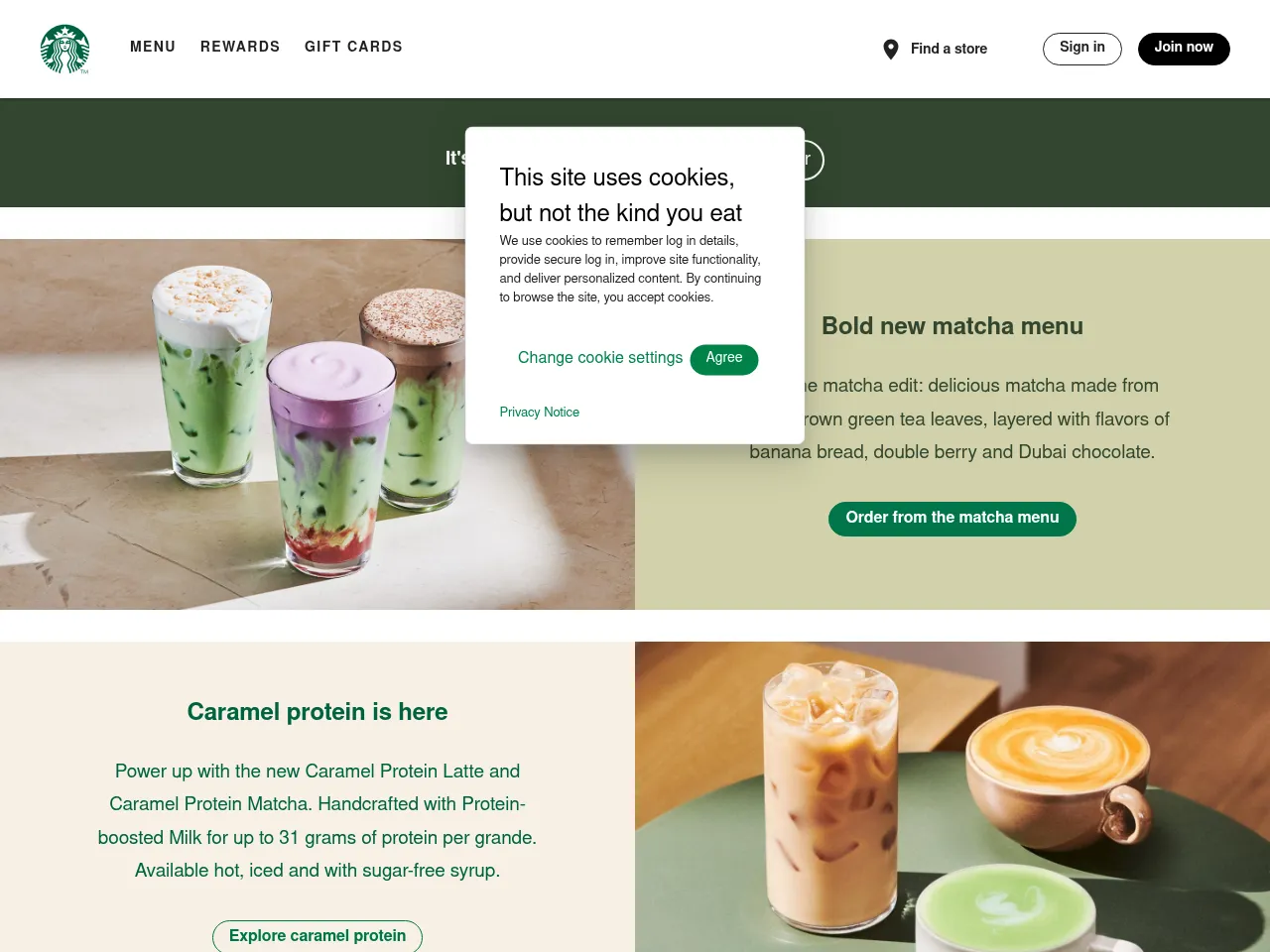
Starbucks Screenshot

Added: Feb 11, 2026

starbucks.com

Latest from Otrai

How to Backtest a Trading Strategy: Methods, Pitfalls, and What the Results Actually Mean

How to Backtest a Trading Strategy: Methods, Pitfalls, and What the Results Actually Mean

Every trader has a strategy that looks great in their head. Backtesting is how you find out whether it actually works. Here is how to test strategies properly, what metrics matter, and why most backtest results are too good to be true.

Risk-Reward Ratios: How to Set Targets That Make Your Strategy Profitable

Risk-Reward Ratios: How to Set Targets That Make Your Strategy Profitable

A risk-reward ratio compares how much you stand to lose on a trade to how much you stand to gain. It is arguably the most important number in your trading plan, because it determines whether your strategy can survive a normal losing streak.

Trading the News: How Economic Events Move Forex and What to Do About It

Trading the News: How Economic Events Move Forex and What to Do About It

Every month, a handful of economic data releases move the forex market more in five minutes than most sessions move in five days. Non-Farm Payrolls, CPI prints, and central bank rate decisions create violent spikes, whipsaws, and trend shifts that can make or break a trading account.

What Is a CFD? How Contracts for Difference Work and When to Use Them

What Is a CFD? How Contracts for Difference Work and When to Use Them

A CFD is a contract between you and your broker to exchange the difference in an asset's price from when you open the trade to when you close it. You never own the underlying asset. That single distinction shapes everything about how CFDs work, what they cost, and why regulators treat them differently from traditional investing.