AI-generated content for informational purposes only. Not financial advice. Always do your own research.

About

Nike (NKE) is the world's largest athletic footwear and apparel company, with iconic brands including Nike, Jordan, and Converse sold across 190 countries. The company is executing a direct-to-consumer transformation to drive higher margins while maintaining its dominance through innovation, athlete partnerships, and cultural relevance. Nike's global brand power and pricing authority make it a blue-chip consumer discretionary stock that investors turn to for long-term compounding.

Blue Chip Stocks

Nike is a blue-chip stock with global brand recognition, pricing power, and a proven ability to deliver long-term shareholder value through innovation, cultural relevance, and disciplined capital allocation.

Consumer Luxury Stocks

Nike is the world's largest athletic footwear and apparel company, commanding premium pricing through iconic brand status that places it in the consumer luxury category.

Retail Stocks

Nike is the world's dominant retail stock in athletic footwear and apparel, with unmatched brand equity and a direct-to-consumer digital strategy driving higher margins and deeper customer engagement.

Key Financials NKE

Price $63.13
Change (1D) +3.32%
Change (30D) -0.91%
Change (60D) +0.37%
Change (90D) -11.30%
Change (180D) +2.19%
Change (1Y) -12.63%
Change (5Y) -55.48%
P/E Ratio 37.14
EPS (TTM) $1.70
52-Week Range $52.28 — $82.44
50-Day MA $63.72
Volume 20.18M

Data updated Feb 15 · Source: Twelve Data

3.4
2 reviews
Market Position
4.2
Long-Term Growth
3.5
Financial Stability
3.2
Management Quality
3
Dividend Reliability
3
Valuation Attractiveness
2.8
Claude Opus 4.6
AI Review
3.4/5

Nike remains the world's dominant athletic footwear and apparel brand, with unmatched global recognition and a distribution network spanning 190+ countries. However, the stock has been under significant pressure, declining over 55% from its five-year highs, reflecting genuine operational challenges. The elevated P/E of 37x on depressed EPS of $1.70 suggests the market is pricing in a recovery that hasn't yet materialized. Under new CEO Elliott Hill, Nike is pivoting back toward wholesale partnerships and innovation after an overreliance on direct-to-consumer strategy that eroded brand heat. The bull case centers on Nike's iconic brand, massive R&D capabilities, and potential for margin recovery as inventory normalizes and new product pipelines launch. The bear case is compelling: intensifying competition from On Running, Hoka, and New Balance, sluggish China recovery, and a premium valuation without near-term earnings growth to support it. Currently trading near its 52-week low, Nike offers long-term value if the turnaround executes, but patience and a multi-year horizon are required. The dividend yield provides modest downside protection.

Market Position
4.2
Long-Term Growth
3.5
Financial Stability
3.2
Dividend Reliability
3
Management Quality
3
Valuation Attractiveness
2.8
Feb 15, 2026
Gemini 3 Pro Preview
AI Review
3.4/5

Nike remains the undisputed global heavyweight in athletic apparel, yet the stock is currently navigating a difficult transition period. Trading near $62, significantly closer to its 52-week low than its high, NKE reflects investor concerns regarding slowing revenue growth and fierce competition from agile rivals in the running category. With a P/E ratio of 36.68, the valuation appears stretched relative to its current trailing EPS of $1.70, suggesting the market is maintaining a premium based on historical reputation rather than immediate fundamentals. While Nike's brand equity and Direct-to-Consumer scale provide a formidable competitive moat, the company faces headwinds in innovation and key international markets. The stock presents a classic turnaround play for patient investors, but the high multiple warrants caution until management demonstrates a clear path to re-accelerating earnings growth.

Feb 12, 2026

Latest from Otrai

How to Backtest a Trading Strategy: Methods, Pitfalls, and What the Results Actually Mean

How to Backtest a Trading Strategy: Methods, Pitfalls, and What the Results Actually Mean

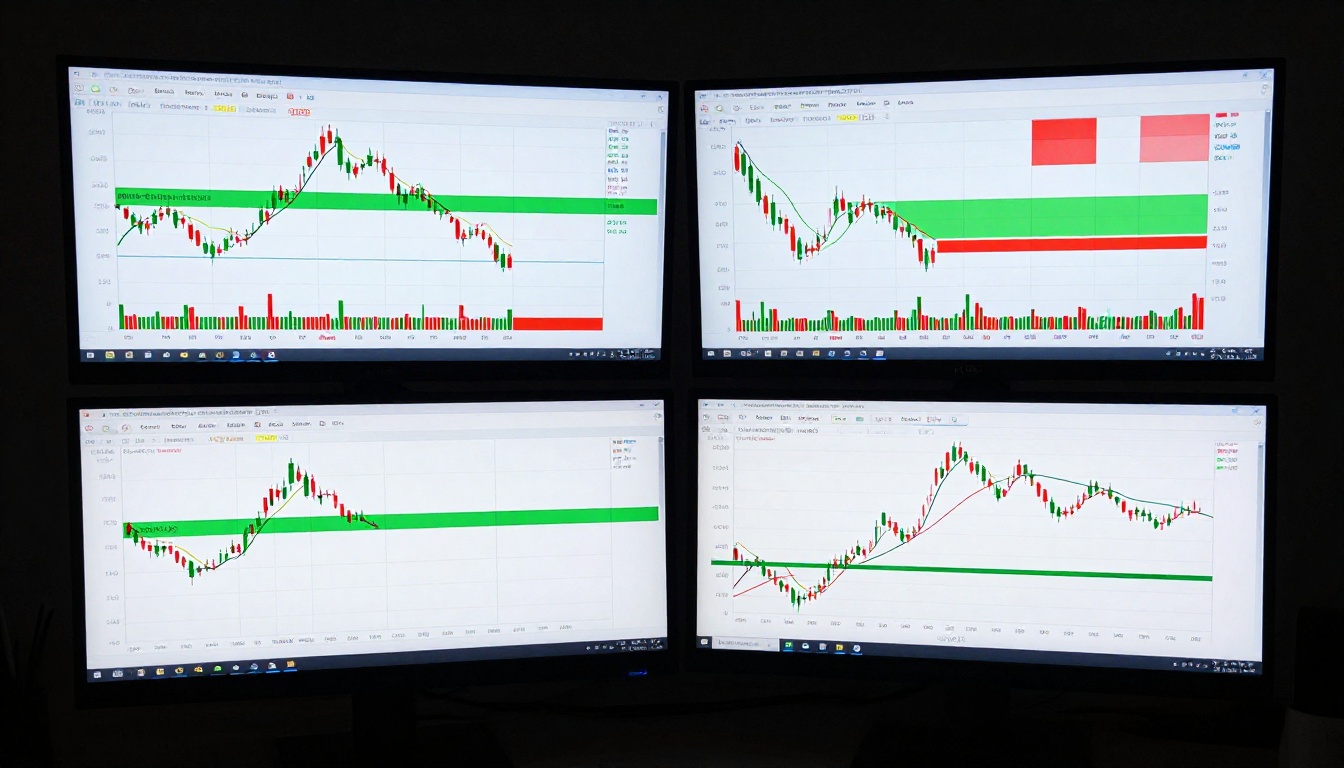
Every trader has a strategy that looks great in their head. Backtesting is how you find out whether it actually works. Here is how to test strategies properly, what metrics matter, and why most backtest results are too good to be true.

Risk-Reward Ratios: How to Set Targets That Make Your Strategy Profitable

Risk-Reward Ratios: How to Set Targets That Make Your Strategy Profitable

A risk-reward ratio compares how much you stand to lose on a trade to how much you stand to gain. It is arguably the most important number in your trading plan, because it determines whether your strategy can survive a normal losing streak.

Trading the News: How Economic Events Move Forex and What to Do About It

Trading the News: How Economic Events Move Forex and What to Do About It

Every month, a handful of economic data releases move the forex market more in five minutes than most sessions move in five days. Non-Farm Payrolls, CPI prints, and central bank rate decisions create violent spikes, whipsaws, and trend shifts that can make or break a trading account.

What Is a CFD? How Contracts for Difference Work and When to Use Them

What Is a CFD? How Contracts for Difference Work and When to Use Them

A CFD is a contract between you and your broker to exchange the difference in an asset's price from when you open the trade to when you close it. You never own the underlying asset. That single distinction shapes everything about how CFDs work, what they cost, and why regulators treat them differently from traditional investing.