AI-generated content for informational purposes only. Not financial advice. Always do your own research.

About

Merck (MRK) is one of the world's largest pharmaceutical companies, anchored by Keytruda—the top-selling oncology drug globally—along with a diverse portfolio in vaccines (Gardasil), animal health, and hospital acute care. The company invests heavily in R&D and strategic acquisitions to build a pipeline that can sustain growth beyond Keytruda's patent expiration. Merck is a blue-chip healthcare holding offering investors a blend of defensive stability and innovation-driven upside.

Blue Chip Stocks

Merck is a blue-chip stock offering defensive healthcare exposure with consistent earnings, a strong balance sheet, and a proven ability to innovate through R&D and strategic acquisitions.

Dividend Aristocrat Stocks

Merck is a pharmaceutical giant anchored by Keytruda, the world's top-selling oncology drug, combining a robust pipeline with decades of reliable dividend payments.

Mega Cap Stocks

Merck is a pharmaceutical mega-cap driven by Keytruda, the best-selling cancer immunotherapy globally, with a diversified pipeline in oncology, vaccines, and animal health.

Pharmaceutical Stocks

Merck is one of the world's most important pharmaceutical stocks, anchored by Keytruda—the best-selling cancer drug globally—with a deep pipeline in oncology, vaccines, and cardiometabolic disease.

Key Financials MRK

Price $121.41
Change (1D) +1.82%
Change (30D) +15.34%
Change (60D) +30.75%
Change (90D) +36.72%
Change (180D) +59.39%
Change (1Y) +41.72%
Change (5Y) +69.56%
P/E Ratio 14.88
EPS (TTM) $8.16
52-Week Range $73.31 — $123.33
50-Day MA $108.00
Volume 10.10M

Data updated Feb 15 · Source: Twelve Data

4.5
2 reviews
Market Position
4.8
Valuation Attractiveness
4.5
Management Quality
4.5
Financial Stability
4.5
Dividend Reliability
3.5
Long-Term Growth
3.3
Claude Opus 4.6
AI Review
4.3/5

Merck has delivered exceptional performance, trading near its 52-week high of $123.33 with a remarkable 59% gain over six months and 42% over the past year. The stock's momentum is strong, sitting well above its 50-day moving average of $108. At a P/E of 14.88 with EPS of $8.16, Merck offers compelling value relative to pharma peers.

The bull case centers on Keytruda, the world's top-selling drug, along with a diversified pipeline spanning oncology, vaccines, and animal health. Merck's acquisition strategy (notably Prometheus Biosciences and recent deals) strengthens its post-Keytruda outlook. Financial health remains robust with consistent free cash flow generation.

The bear case involves Keytruda's patent cliff around 2028, which represents roughly 50% of pharmaceutical revenue. Pipeline execution risk and pricing pressures from potential Medicare negotiations add uncertainty. While Merck has raised its dividend for over a decade, the yield remains modest compared to true dividend aristocrats.

Overall, Merck represents a well-managed pharmaceutical giant with near-term strength but meaningful long-term transition risk that investors should monitor closely.

Market Position
4.8
Financial Stability
4.5
Management Quality
4.5
Valuation Attractiveness
4.5
Dividend Reliability
3.5
Long-Term Growth
3.3
Feb 15, 2026
Gemini 3 Pro Preview
AI Review
4.7/5

Merck stands as a formidable player in the global healthcare landscape, anchored by its dominant oncology franchise, particularly Keytruda, and a resilient animal health business. Trading near its 52-week high of $122.66, the stock has shown significant momentum, currently sitting well above its 50-day moving average. A P/E ratio of 25.07 suggests a premium valuation compared to some industry peers, reflecting high market expectations for its pipeline execution and recent earnings growth. While the company boasts strong cash flows and solid fundamentals, the primary risk remains its heavy revenue concentration in Keytruda and the looming patent cliff later this decade. Investors must weigh this concentration risk against Merck's aggressive M&A strategy and pipeline diversification. Overall, Merck represents a high-quality defensive holding, though the current valuation demands successful clinical outcomes to justify further upside.

Feb 12, 2026

Latest from Otrai

How to Backtest a Trading Strategy: Methods, Pitfalls, and What the Results Actually Mean

How to Backtest a Trading Strategy: Methods, Pitfalls, and What the Results Actually Mean

Every trader has a strategy that looks great in their head. Backtesting is how you find out whether it actually works. Here is how to test strategies properly, what metrics matter, and why most backtest results are too good to be true.
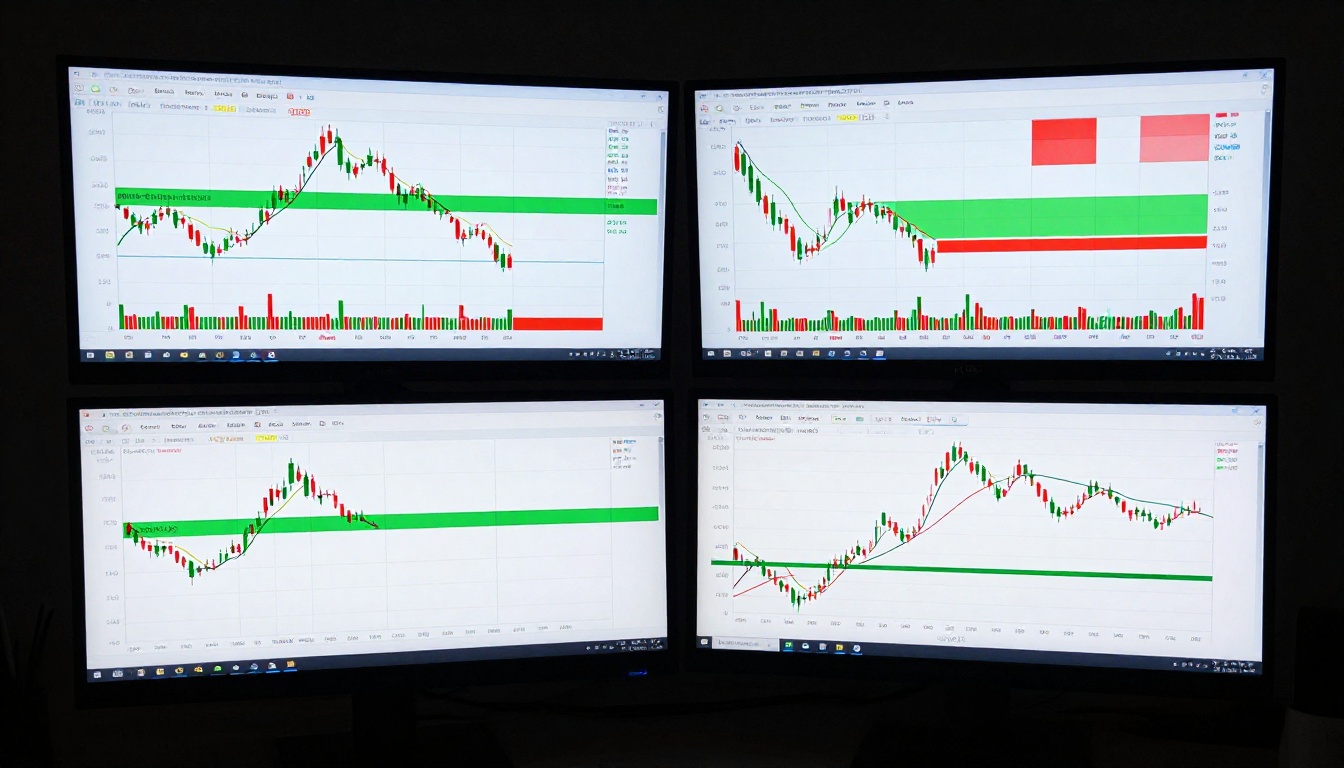

Risk-Reward Ratios: How to Set Targets That Make Your Strategy Profitable

Risk-Reward Ratios: How to Set Targets That Make Your Strategy Profitable

A risk-reward ratio compares how much you stand to lose on a trade to how much you stand to gain. It is arguably the most important number in your trading plan, because it determines whether your strategy can survive a normal losing streak.

Trading the News: How Economic Events Move Forex and What to Do About It

Trading the News: How Economic Events Move Forex and What to Do About It

Every month, a handful of economic data releases move the forex market more in five minutes than most sessions move in five days. Non-Farm Payrolls, CPI prints, and central bank rate decisions create violent spikes, whipsaws, and trend shifts that can make or break a trading account.

What Is a CFD? How Contracts for Difference Work and When to Use Them

What Is a CFD? How Contracts for Difference Work and When to Use Them

A CFD is a contract between you and your broker to exchange the difference in an asset's price from when you open the trade to when you close it. You never own the underlying asset. That single distinction shapes everything about how CFDs work, what they cost, and why regulators treat them differently from traditional investing.