AI-generated content for informational purposes only. Not financial advice. Always do your own research.

About

3D Systems Corporation (NYSE: DDD) is a pioneering additive manufacturing company and one of the original inventors of 3D printing technology, offering a comprehensive portfolio of 3D printers, materials, software, and on-demand manufacturing services spanning polymer and metal printing for healthcare, aerospace, automotive, and industrial applications. The company's Healthcare Solutions segment is a key differentiator, providing patient-specific surgical planning tools, bioprinted tissues, and medical device manufacturing capabilities that serve some of the world's leading hospitals and medical device companies. As one of the longest-established publicly traded 3D printing companies with broad technology coverage across multiple printing modalities and a specialized healthcare focus, 3D Systems offers investors diversified exposure to the additive manufacturing industry.

3D Printing Stocks

3D Systems is one of the founding companies of the 3D printing industry, offering a broad portfolio of polymer and metal additive manufacturing solutions with a differentiated focus on healthcare applications including surgical planning, bioprinting, and medical device production.

Key Financials DDD

Price $2.08
Change (1D) +1.46%
Change (30D) +17.51%
Change (60D) +0.00%
Change (90D) -34.38%
Change (180D) +32.48%
Change (1Y) -51.40%
Change (5Y) -96.24%
P/E Ratio 1.14
EPS (TTM) $1.83
52-Week Range $1.32 — $4.85
50-Day MA $2.16
Volume 1.35M

Data updated Feb 15 · Source: Twelve Data

3.1
2 reviews
Valuation
3.8
Fundamentals
2.3
Management Quality
2.1
Performance
2
Risk Profile
1.8
Claude Opus 4.6
AI Review
2.8/5

3D Systems is a pioneer in additive manufacturing, offering a broad portfolio of 3D printing hardware, materials, and software across industrial and healthcare verticals. However, the investment case is deeply challenged. The stock has lost over 96% of its value over five years, reflecting persistent struggles with profitability, revenue growth, and competitive pressures from rivals like Stratasys and newer entrants.

The seemingly attractive P/E of 1.14 and EPS of $1.83 likely reflect one-time items or accounting adjustments rather than sustainable earnings, warranting careful scrutiny of underlying cash flows. Trading at $2.08, well below its 52-week high of $4.85, the stock remains in a pronounced downtrend despite a recent 30-day bounce of 17.5%.

Bull case: Healthcare 3D printing applications offer genuine long-term growth potential, and the company's deep patent portfolio provides some moat. The recent bounce off $1.32 lows could signal a bottoming process.

Bear case: Chronic cash burn, dilution risk, competitive margin pressure, and a history of failed turnaround attempts make this a speculative play at best. Investors should approach with extreme caution and position sizing discipline.

Valuation
3.8
Fundamentals
2.3
Management Quality
2.1
Performance
2
Risk Profile
1.8
Feb 15, 2026
Gemini 3 Pro Preview
AI Review
3.4/5

3D Systems (DDD) remains a foundational player in the additive manufacturing sector, offering a diverse portfolio across healthcare and industrial applications. The stock currently presents a complex investment thesis characterized by a striking disconnect between its valuation and market pricing. Trading at just $2.24, significantly below its 52-week high of $4.85, the company shows a P/E ratio of 1.22 based on trailing EPS of $1.83. While this suggests deep value, investors must scrutinize the quality of earnings to ensure they aren't driven by non-recurring events. Despite the attractive multiples, the stock faces headwinds from sector-wide volatility and competitive consolidation. DDD represents a high-risk, high-reward turnaround play for investors willing to bet on the company's long-term strategic pivots in regenerative medicine and industrial solutions.

Feb 11, 2026
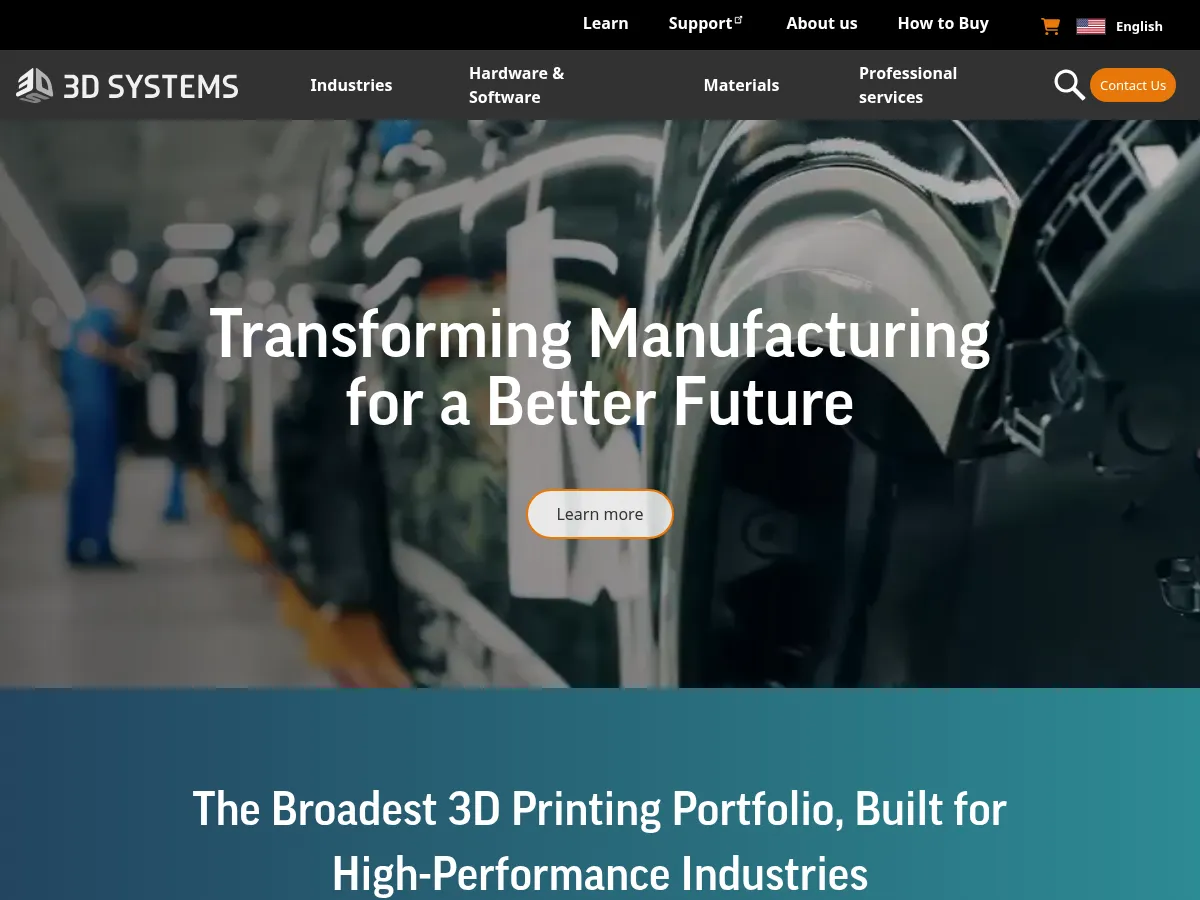
3D Systems Screenshot

Added: Feb 10, 2026

3dsystems.com

Latest from Otrai

How to Backtest a Trading Strategy: Methods, Pitfalls, and What the Results Actually Mean

How to Backtest a Trading Strategy: Methods, Pitfalls, and What the Results Actually Mean

Every trader has a strategy that looks great in their head. Backtesting is how you find out whether it actually works. Here is how to test strategies properly, what metrics matter, and why most backtest results are too good to be true.

Risk-Reward Ratios: How to Set Targets That Make Your Strategy Profitable

Risk-Reward Ratios: How to Set Targets That Make Your Strategy Profitable

A risk-reward ratio compares how much you stand to lose on a trade to how much you stand to gain. It is arguably the most important number in your trading plan, because it determines whether your strategy can survive a normal losing streak.

Trading the News: How Economic Events Move Forex and What to Do About It

Trading the News: How Economic Events Move Forex and What to Do About It

Every month, a handful of economic data releases move the forex market more in five minutes than most sessions move in five days. Non-Farm Payrolls, CPI prints, and central bank rate decisions create violent spikes, whipsaws, and trend shifts that can make or break a trading account.

What Is a CFD? How Contracts for Difference Work and When to Use Them

What Is a CFD? How Contracts for Difference Work and When to Use Them

A CFD is a contract between you and your broker to exchange the difference in an asset's price from when you open the trade to when you close it. You never own the underlying asset. That single distinction shapes everything about how CFDs work, what they cost, and why regulators treat them differently from traditional investing.