AI-generated content for informational purposes only. Not financial advice. Always do your own research.

About

FuelCell Energy Inc. (NASDAQ: FCEL) is a developer and manufacturer of molten carbonate fuel cell technology platforms that produce clean electricity, hydrogen, and carbon capture solutions for utilities, industrial facilities, and government customers. The company's SureSource product line can operate in multiple configurations including power-only, combined heat and power, and hydrogen generation modes, and its proprietary carbon capture technology offers a unique approach to industrial decarbonization. As a pure-play fuel cell and hydrogen generation company with patented technology and long-term project backlog, FuelCell Energy represents a speculative investment in the emerging hydrogen economy and distributed clean energy generation.

Hydrogen Stocks

FuelCell Energy develops molten carbonate fuel cell platforms capable of producing hydrogen alongside electricity, offering a pure-play hydrogen generation investment with proprietary technology that directly produces clean hydrogen from its fuel cell systems.

Key Financials FCEL

Price $7.22
Change (1D) +3.00%
Change (30D) -1.23%
Change (60D) +5.56%
Change (90D) -29.15%
Change (180D) +38.58%
Change (1Y) -7.44%
Change (5Y) -99.09%
P/E Ratio -1.40
EPS (TTM) $-5.14
52-Week Range $3.58 — $11.99
50-Day MA $8.21
Volume 1.37M

Data updated Feb 15 · Source: Twelve Data

2.7
2 reviews
Valuation
2.8
Management Quality
2.2
Fundamentals
2
Performance
1.8
Risk Profile
1.5
Claude Opus 4.6
AI Review
2.3/5

FuelCell Energy is a pioneer in stationary fuel cell technology, offering carbonate fuel cell platforms for distributed power generation and hydrogen production. However, the investment case remains deeply challenged. The company has never achieved sustained profitability, reflected in a deeply negative P/E ratio of -1.40 and EPS of -$5.14. The 5-year decline of -99.09% represents catastrophic value destruction for long-term shareholders, driven by persistent cash burn, repeated dilutive offerings, and a reverse stock split. Trading well below its 50-day moving average of $8.21, technical momentum is bearish. On the bull side, FuelCell has real technology, government support for clean energy, and growing interest in hydrogen infrastructure. The 180-day gain of 38.58% suggests periodic speculative rallies. However, revenue growth has been inconsistent, the path to profitability remains unclear, and competition from Bloom Energy and Plug Power is intensifying. The balance sheet requires ongoing capital raises, diluting existing shareholders. This remains a speculative play on hydrogen adoption rather than a fundamentals-driven investment. Only suitable for high-risk-tolerance investors with a very long time horizon.

Valuation
2.8
Management Quality
2.2
Fundamentals
2
Performance
1.8
Risk Profile
1.5
Feb 15, 2026
Gemini 3 Pro Preview
AI Review
3.1/5

FuelCell Energy (FCEL) operates as a key player in the stationary fuel cell market, leveraging its proprietary carbonate fuel cell technology for power generation and carbon capture. The investment thesis relies heavily on the broader adoption of hydrogen infrastructure and decarbonization mandates. However, the company's financial health presents a significant hurdle for conservative investors. With a trailing EPS of -$5.14 and a negative P/E ratio of -1.44, FCEL continues to burn cash without generating profit, highlighting the speculative nature of the stock. Technically, the stock is trading at $7.42, below its 50-day moving average of $8.19, indicating recent cooling after volatility that saw prices range from $3.58 to $11.99 over the last year. While the technology holds promise for industrial applications, the lack of near-term profitability makes FCEL a high-risk holding suitable only for investors with a high tolerance for volatility within the hydrogen sector.

Feb 11, 2026
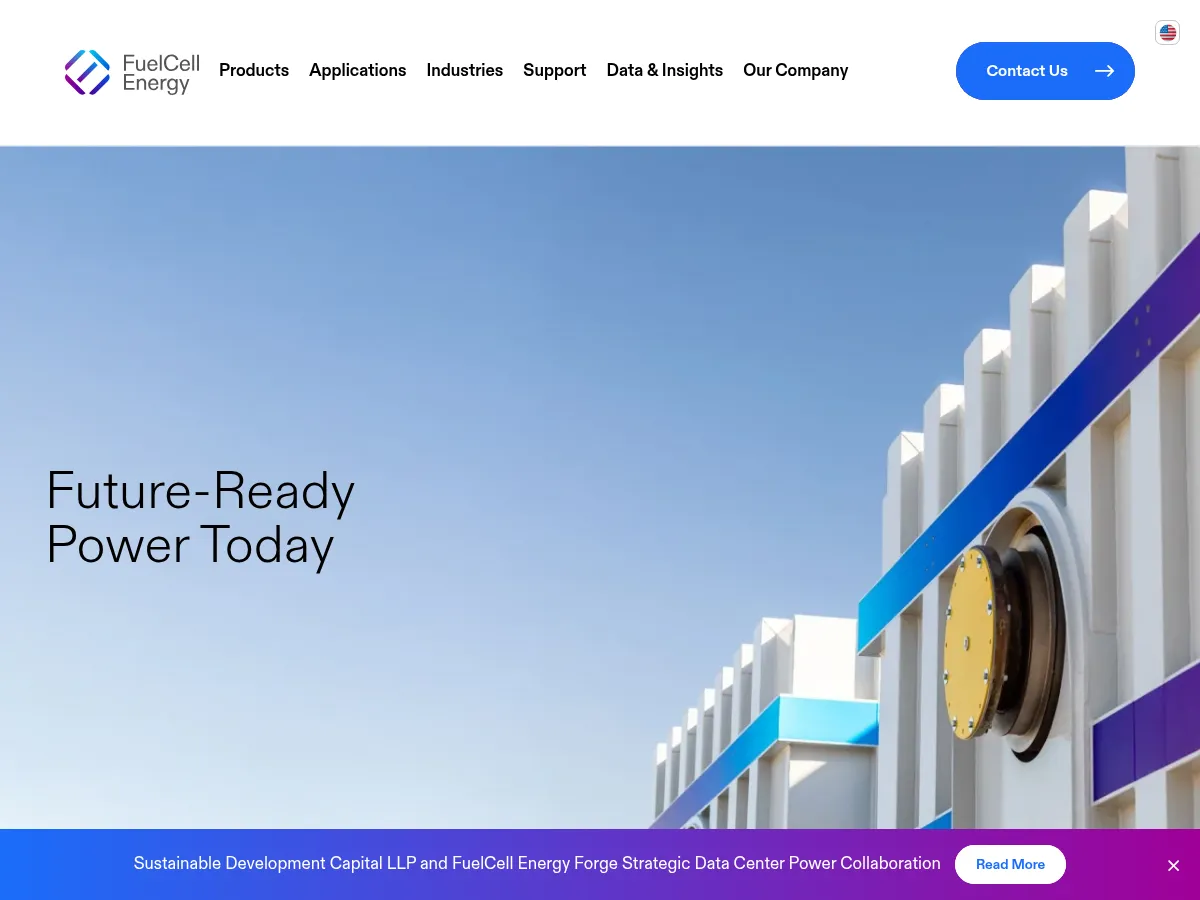
FuelCell Energy Screenshot

Added: Feb 10, 2026

fuelcellenergy.com

Latest from Otrai

How to Backtest a Trading Strategy: Methods, Pitfalls, and What the Results Actually Mean

How to Backtest a Trading Strategy: Methods, Pitfalls, and What the Results Actually Mean

Every trader has a strategy that looks great in their head. Backtesting is how you find out whether it actually works. Here is how to test strategies properly, what metrics matter, and why most backtest results are too good to be true.
Risk-Reward Ratios: How to Set Targets That Make Your Strategy Profitable

Risk-Reward Ratios: How to Set Targets That Make Your Strategy Profitable

A risk-reward ratio compares how much you stand to lose on a trade to how much you stand to gain. It is arguably the most important number in your trading plan, because it determines whether your strategy can survive a normal losing streak.

Trading the News: How Economic Events Move Forex and What to Do About It

Trading the News: How Economic Events Move Forex and What to Do About It

Every month, a handful of economic data releases move the forex market more in five minutes than most sessions move in five days. Non-Farm Payrolls, CPI prints, and central bank rate decisions create violent spikes, whipsaws, and trend shifts that can make or break a trading account.

What Is a CFD? How Contracts for Difference Work and When to Use Them

What Is a CFD? How Contracts for Difference Work and When to Use Them

A CFD is a contract between you and your broker to exchange the difference in an asset's price from when you open the trade to when you close it. You never own the underlying asset. That single distinction shapes everything about how CFDs work, what they cost, and why regulators treat them differently from traditional investing.