
AI-generated content for informational purposes only. Not financial advice. Always do your own research.

About

Abbott Laboratories (NYSE: ABT) is a diversified global healthcare company with leading positions across four major segments: medical devices (including continuous glucose monitors under the FreeStyle Libre brand), diagnostics, nutritional products (including Ensure and Similac), and established pharmaceuticals sold in emerging markets. The company's FreeStyle Libre continuous glucose monitoring system has become a transformational growth driver, rapidly gaining market share as diabetes management shifts toward continuous monitoring for both insulin-dependent and non-insulin-dependent patients. Abbott offers investors a well-balanced healthcare portfolio with multiple growth catalysts, a strong track record of over 50 consecutive years of dividend increases as a Dividend Aristocrat, and significant exposure to faster-growing emerging markets across all business segments.

Aging Population Stocks

Abbott's diversified healthcare portfolio spanning medical devices, diagnostics, nutrition, and pharmaceuticals positions it as a key beneficiary of aging population trends worldwide.

Healthcare Stocks

Abbott Laboratories is a diversified healthcare stock with leading positions in medical devices, diagnostics, nutrition, and pharmaceuticals, offering investors balanced exposure to multiple healthcare growth drivers anchored by its fast-growing FreeStyle Libre glucose monitoring franchise and a decades-long track record of dividend increases.

Key Financials ABT

Price $112.68
Change (1D) +1.09%
Change (30D) -10.06%
Change (60D) -13.34%
Change (90D) -15.75%
Change (180D) -14.65%
Change (1Y) -13.65%
Change (5Y) -9.96%
P/E Ratio 20.83
EPS (TTM) $5.41
52-Week Range $105.27 — $141.23
50-Day MA $119.58
Volume 7.70M

Data updated Feb 15 · Source: Twelve Data

4.2
2 reviews
Demographic Exposure
4.8
Dividend Reliability
4.5
Financial Stability
4.3
Growth Potential
4
Regulatory Risk
3.2
Claude Opus 4.6
AI Review
4.2/5

Abbott Laboratories is a diversified healthcare giant with strong positions across diagnostics, medical devices, nutrition, and established pharmaceuticals. Its FreeStyle Libre continuous glucose monitoring system remains a significant growth driver, and the company benefits from secular tailwinds including an aging global population that demands more diagnostics and medical devices.

At a P/E of 20.83 with EPS of $5.41, Abbott trades at a reasonable valuation for a healthcare blue-chip, especially after a notable pullback " shares are down roughly 16% from their 52-week high and trading well below the 50-day moving average. This correction may present an attractive entry point for long-term investors.

Bull case: Diversified revenue streams reduce risk, Libre franchise continues rapid adoption, aging demographics provide durable demand, and the company maintains a strong dividend track record. Bear case: Post-COVID diagnostics revenue normalization continues to weigh on results, potential litigation headwinds, and competitive pressure in key segments. The sustained downtrend over multiple timeframes warrants caution on timing, but Abbott's fundamental quality and demographic positioning remain compelling for patient investors.

Demographic Exposure
4.8
Dividend Reliability
4.5
Financial Stability
4.3
Growth Potential
4
Regulatory Risk
3.2
Feb 15, 2026
Gemini 3 Pro Preview
AI Review
4.2/5

Abbott Laboratories remains a cornerstone holding in the healthcare sector, offering a robust mix of stability and growth through its diversified portfolio across medical devices, diagnostics, nutrition, and branded generics. With the stock trading near its 52-week low and significantly below its 50-day moving average, the current valuation of approximately 20.8x earnings presents a potentially attractive entry point for value-oriented investors. The medical devices segment, led by the FreeStyle Libre continuous glucose monitor, continues to drive organic growth, offsetting declines in COVID-19 testing revenues. However, investors must weigh these strengths against ongoing litigation risks within the nutrition segment, which have pressured the stock recently. Despite these near-term headwinds, Abbott's status as a Dividend Aristocrat and its strong balance sheet make it a resilient defensive play for conservative portfolios seeking consistent long-term returns.

Feb 11, 2026
Abbott Laboratories Screenshot

Added: Feb 10, 2026

abbott.com

Latest from Otrai

How to Backtest a Trading Strategy: Methods, Pitfalls, and What the Results Actually Mean

How to Backtest a Trading Strategy: Methods, Pitfalls, and What the Results Actually Mean

Every trader has a strategy that looks great in their head. Backtesting is how you find out whether it actually works. Here is how to test strategies properly, what metrics matter, and why most backtest results are too good to be true.
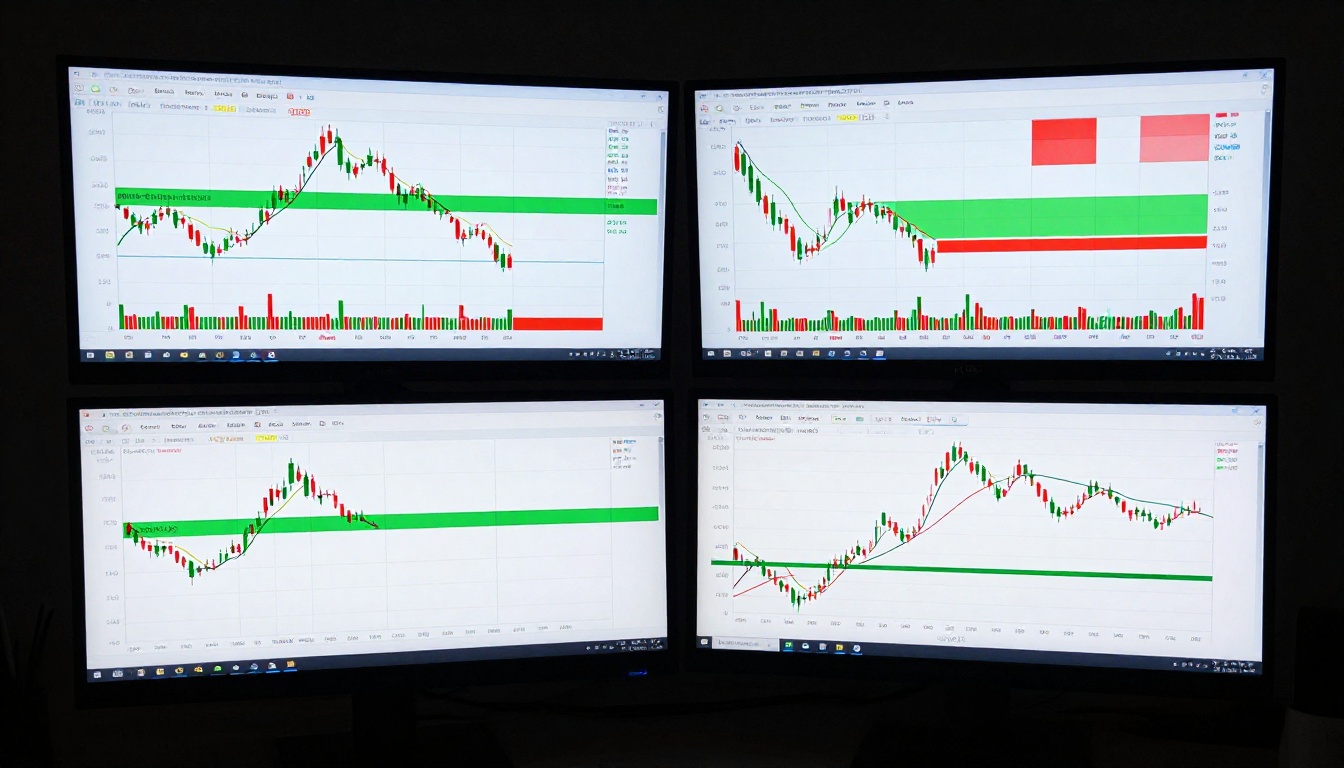

Risk-Reward Ratios: How to Set Targets That Make Your Strategy Profitable

Risk-Reward Ratios: How to Set Targets That Make Your Strategy Profitable

A risk-reward ratio compares how much you stand to lose on a trade to how much you stand to gain. It is arguably the most important number in your trading plan, because it determines whether your strategy can survive a normal losing streak.

Trading the News: How Economic Events Move Forex and What to Do About It

Trading the News: How Economic Events Move Forex and What to Do About It

Every month, a handful of economic data releases move the forex market more in five minutes than most sessions move in five days. Non-Farm Payrolls, CPI prints, and central bank rate decisions create violent spikes, whipsaws, and trend shifts that can make or break a trading account.

What Is a CFD? How Contracts for Difference Work and When to Use Them

What Is a CFD? How Contracts for Difference Work and When to Use Them

A CFD is a contract between you and your broker to exchange the difference in an asset's price from when you open the trade to when you close it. You never own the underlying asset. That single distinction shapes everything about how CFDs work, what they cost, and why regulators treat them differently from traditional investing.