AI-generated content for informational purposes only. Not financial advice. Always do your own research.

About

Southwest Airlines (NYSE: LUV) is the largest domestic airline in the United States by passengers carried, operating an all-Boeing 737 fleet with a distinctive low-cost, point-to-point business model that emphasizes no bag fees, no change fees, and open seating. The company's single aircraft type strategy drives operational efficiency and lower maintenance costs, while its strong corporate culture and customer-friendly policies have built one of the most recognized and trusted brands in American aviation. Southwest offers investors exposure to domestic air travel demand through a differentiated carrier that historically delivered decades of consecutive profitability before the pandemic, though the company faces ongoing competitive pressure and is evolving its model with assigned seating and other changes.

Airline Stocks

Southwest Airlines is a distinctive airline stock as the largest domestic U.S. carrier by passengers, operating a unique low-cost model with no bag fees, no change fees, and an all-Boeing 737 fleet that has historically delivered industry-leading cost efficiency and a loyal customer following.

Transportation & Logistics Stocks

Southwest Airlines is the largest US domestic carrier by passengers, operating an all-Boeing 737 fleet with a low-cost model and no baggage fees that differentiate it in the competitive airline industry.

Key Financials LUV

Price $51.11
Change (1D) +0.55%
Change (30D) +23.66%
Change (60D) +60.47%
Change (90D) +56.88%
Change (180D) +55.40%
Change (1Y) +71.05%
Change (5Y) -0.14%
P/E Ratio 11.91
EPS (TTM) $4.29
52-Week Range $23.82 — $54.70
50-Day MA $43.75
Volume 9.16M

Data updated Feb 15 · Source: Twelve Data

4.1
2 reviews
Valuation
4.2
Performance
4.2
Management Quality
4
Fundamentals
3.8
Risk Profile
3.5
Claude Opus 4.6
AI Review
4.0/5

Southwest Airlines has staged a remarkable turnaround, surging over 71% in the past year and trading near its 52-week high of $54.70. The stock's momentum is undeniable, driven by activist investor Elliott Management's involvement and subsequent operational reforms, including assigned seating and premium cabin initiatives that represent a historic shift in the carrier's business model.

The valuation looks compelling at a P/E of 11.91 with EPS of $4.29, suggesting the market hasn't fully priced in the transformation potential. Southwest's all-Boeing 737 fleet provides cost efficiencies, and its strong balance sheet relative to peers remains a competitive advantage. The domestic-focused, point-to-point model offers simplicity and operational resilience.

However, risks persist. The 5-year return of essentially flat performance highlights the airline industry's structural challenges. Fuel price volatility, labor cost pressures, and execution risk on the business model overhaul are real concerns. Competition from ultra-low-cost carriers continues squeezing margins on price-sensitive routes. While the turnaround story is compelling, investors buying near 52-week highs should size positions carefully given the cyclical nature of airlines.

Performance
4.2
Valuation
4.2
Management Quality
4
Fundamentals
3.8
Risk Profile
3.5
Feb 15, 2026
Gemini 3 Pro Preview
AI Review
4.2/5

Southwest Airlines (LUV) demonstrates significant momentum, currently trading near its 52-week high of $54.70 and well above its 50-day moving average. This price action reflects renewed investor confidence in the carrier's domestic-focused business model. Despite the recent rally, the stock maintains an attractive valuation with a P/E ratio of 12.72, suggesting it is not overpriced relative to its earnings power of $4.25 per share. Southwest historically boasts one of the strongest balance sheets in the industry, offering a buffer against sector volatility. However, risks remain regarding fleet management dependence on Boeing and rising labor costs that could pressure future margins. While the recovery from its 52-week low of $23.82 is impressive, investors should monitor whether the company can sustain this trajectory amidst intense competition. LUV remains a compelling, value-oriented pick within the airline sector.

Feb 11, 2026
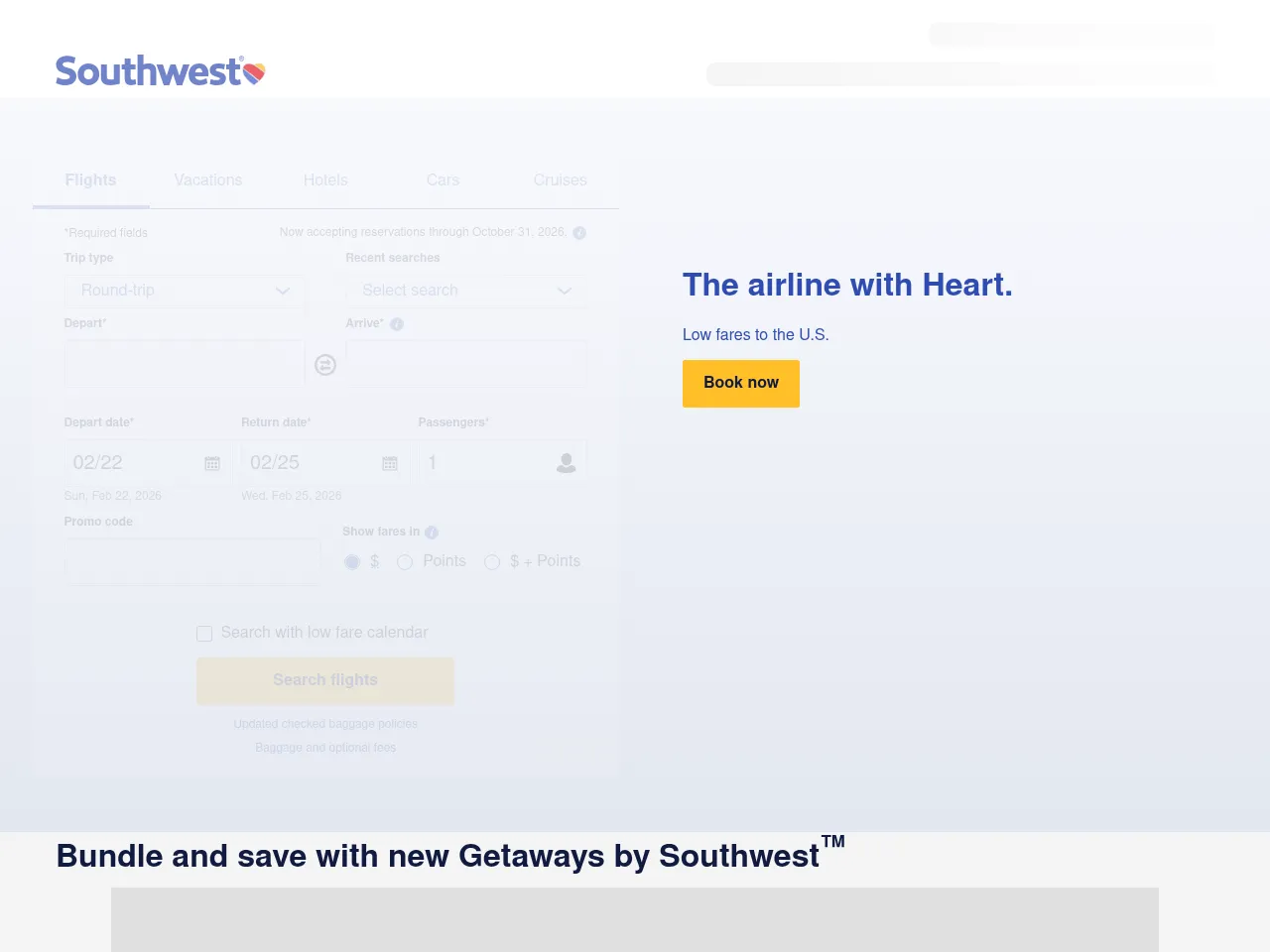
Southwest Airlines Screenshot

Added: Feb 10, 2026

southwest.com

Latest from Otrai

How to Backtest a Trading Strategy: Methods, Pitfalls, and What the Results Actually Mean

How to Backtest a Trading Strategy: Methods, Pitfalls, and What the Results Actually Mean

Every trader has a strategy that looks great in their head. Backtesting is how you find out whether it actually works. Here is how to test strategies properly, what metrics matter, and why most backtest results are too good to be true.

Risk-Reward Ratios: How to Set Targets That Make Your Strategy Profitable

Risk-Reward Ratios: How to Set Targets That Make Your Strategy Profitable

A risk-reward ratio compares how much you stand to lose on a trade to how much you stand to gain. It is arguably the most important number in your trading plan, because it determines whether your strategy can survive a normal losing streak.

Trading the News: How Economic Events Move Forex and What to Do About It

Trading the News: How Economic Events Move Forex and What to Do About It

Every month, a handful of economic data releases move the forex market more in five minutes than most sessions move in five days. Non-Farm Payrolls, CPI prints, and central bank rate decisions create violent spikes, whipsaws, and trend shifts that can make or break a trading account.

What Is a CFD? How Contracts for Difference Work and When to Use Them

What Is a CFD? How Contracts for Difference Work and When to Use Them

A CFD is a contract between you and your broker to exchange the difference in an asset's price from when you open the trade to when you close it. You never own the underlying asset. That single distinction shapes everything about how CFDs work, what they cost, and why regulators treat them differently from traditional investing.