
AI-generated content for informational purposes only. Not financial advice. Always do your own research.

About

Snap Inc. (NYSE: SNAP) is the parent company of Snapchat, a multimedia messaging app and camera platform popular among younger demographics, with over 400 million daily active users worldwide. The company pioneered the Stories format, augmented reality lenses, and ephemeral messaging that have since been widely copied across social media, and it continues to innovate with AR glasses development and its Spotlight short-video platform. Snap offers investors exposure to the younger generation's preferred communication platform, a growing AR advertising business, and the potential for its augmented reality technology to become a significant computing platform, though the company has faced persistent challenges achieving consistent profitability.

Social Media Stocks

Snap Inc. is a key social media stock as the operator of Snapchat, one of the most popular communication and content-sharing platforms among Gen Z and millennial users, generating revenue through innovative augmented reality advertising and sponsored content experiences.

Key Financials SNAP

Price $4.83
Change (1D) +0.21%
Change (30D) -40.15%
Change (60D) -40.95%
Change (90D) -43.31%
Change (180D) -42.09%
Change (1Y) -54.99%
Change (5Y) -92.31%
P/E Ratio 2.20
EPS (TTM) $2.20
52-Week Range $4.72 — $11.26
50-Day MA $7.31
Volume 44.17M

Data updated Feb 15 · Source: Twelve Data

2.5
2 reviews
Valuation
2.5
Management Quality
2.2
Fundamentals
2
Performance
1.8
Risk Profile
1.5
Claude Opus 4.6
AI Review
2.1/5

Snap Inc has been in a prolonged downtrend, losing over 92% of its value over five years and 55% in the past year alone. Currently trading near its 52-week low of $4.72, the stock sits well below its 50-day moving average of $7.31, signaling persistent bearish momentum. The surprisingly low P/E ratio of 2.20 appears anomalous and likely reflects one-time items rather than sustainable earnings power, as Snap has historically struggled with consistent profitability.

The bull case centers on Snapchat's strong engagement among younger demographics, AR innovation potential, and a deeply discounted valuation that could attract value or turnaround investors. However, the bear case is formidable: intense competition from TikTok, Instagram Reels, and YouTube Shorts continues eroding ad market share. Revenue growth has decelerated significantly, and the company faces structural challenges monetizing its user base relative to peers. Management's ability to achieve sustained profitability remains unproven. The 40%+ decline over just 30 days suggests potential fundamental deterioration or loss of advertiser confidence. High-risk, speculative territory for most investors.

Valuation
2.5
Management Quality
2.2
Fundamentals
2
Performance
1.8
Risk Profile
1.5
Feb 15, 2026
Gemini 3 Pro Preview
AI Review
2.8/5

Snap Inc. is currently trading at $5.23, hovering dangerously close to its 52-week low of $5.09, reflecting significant bearish sentiment. Although the provided financials highlight a statistically attractive P/E ratio of 2.23 and a robust trailing EPS of $2.35, the market remains wary, keeping the price well below the 50-day moving average of $7.48. Snap retains a loyal Gen Z user base and continues to innovate in Augmented Reality, yet it struggles to monetize its traffic as effectively as competitors like Meta and TikTok. The current valuation implies a deep discount, potentially appealing to contrarian investors willing to tolerate volatility, but the lack of upward momentum suggests caution is warranted until the company demonstrates consistent ad revenue recovery.

Feb 11, 2026
Snap Inc Screenshot

Added: Feb 10, 2026

snap.com

Latest from Otrai

How to Backtest a Trading Strategy: Methods, Pitfalls, and What the Results Actually Mean

How to Backtest a Trading Strategy: Methods, Pitfalls, and What the Results Actually Mean

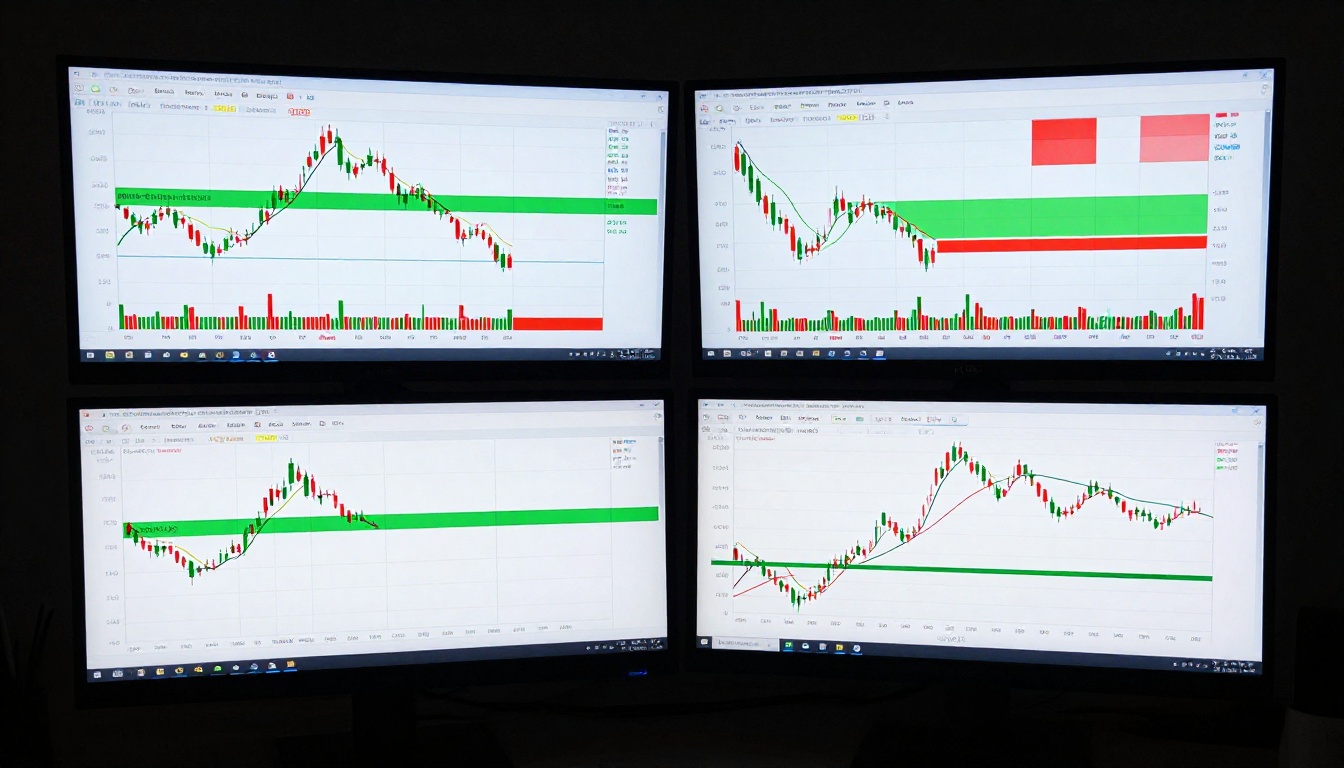
Every trader has a strategy that looks great in their head. Backtesting is how you find out whether it actually works. Here is how to test strategies properly, what metrics matter, and why most backtest results are too good to be true.

Risk-Reward Ratios: How to Set Targets That Make Your Strategy Profitable

Risk-Reward Ratios: How to Set Targets That Make Your Strategy Profitable

A risk-reward ratio compares how much you stand to lose on a trade to how much you stand to gain. It is arguably the most important number in your trading plan, because it determines whether your strategy can survive a normal losing streak.

Trading the News: How Economic Events Move Forex and What to Do About It

Trading the News: How Economic Events Move Forex and What to Do About It

Every month, a handful of economic data releases move the forex market more in five minutes than most sessions move in five days. Non-Farm Payrolls, CPI prints, and central bank rate decisions create violent spikes, whipsaws, and trend shifts that can make or break a trading account.

What Is a CFD? How Contracts for Difference Work and When to Use Them

What Is a CFD? How Contracts for Difference Work and When to Use Them

A CFD is a contract between you and your broker to exchange the difference in an asset's price from when you open the trade to when you close it. You never own the underlying asset. That single distinction shapes everything about how CFDs work, what they cost, and why regulators treat them differently from traditional investing.